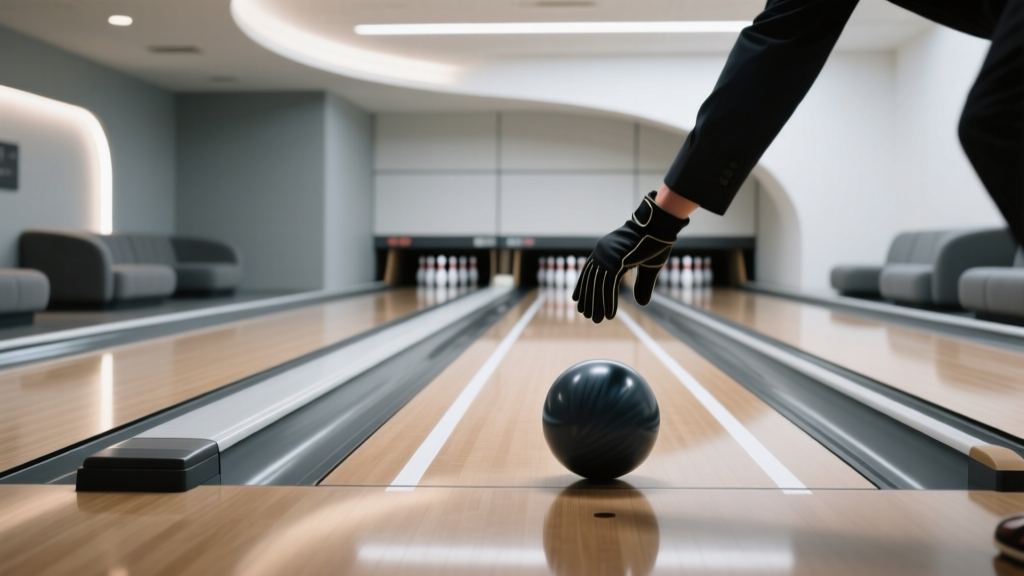
How Long Does a Game of Bowling Take?
A typical game of bowling takes between 10 to 15 minutes per player, meaning a full round for a group of four usually lasts about 45 to 60 minutes. Factors such as skill level, age, number of players, and whether it’s a casual or league game can influence total duration.
How Long Does a Standard Game of Bowling Last?
Bowling is a popular recreational and competitive sport enjoyed by millions worldwide. One common question among beginners and event planners alike is: how long does a game take? The average game of ten-pin bowling lasts approximately 10 to 15 minutes per person. For a group of four, this translates into roughly 45 to 60 minutes to complete one full game.
Factors That Influence Game Duration
- Number of players: More players mean longer wait times between turns, increasing overall game time.
- Skill level: Beginners may take longer due to slower pacing, multiple spares, or learning curve.
- Type of play: Recreational games are typically faster than sanctioned league matches with strict timing rules.
- Lane traffic: Busy alleys with high demand can slow down gameplay due to delays in starting or interruptions.
- Scoring method: Manual scoring adds time; automated systems speed up the process.
Breakdown of Bowling Game Time by Player Count
To better understand how game length scales with group size, here's a detailed look at average durations based on real-world data collected from bowling centers across the U.S.
| Number of Players | Avg. Time Per Player (min) | Total Game Duration (min) | Game Type |
|---|---|---|---|
| 1 | 10 | 10 | Casual |
| 2 | 12 | 24 | Casual |
| 3 | 13 | 39 | Casual |
| 4 | 15 | 60 | Casual |
| 4 | 10 | 40 | League |
The data shows that while individual pace remains relatively consistent, total game time increases nearly linearly with the number of players. League games are faster due to experienced players and time constraints enforced by governing bodies like the USBC.
Differences Between Casual and League Play
Understanding the distinction between casual and competitive bowling helps explain variations in game length.
Casual Bowling Sessions
Most people experience bowling during social outings, birthdays, or family events. These games tend to be more relaxed, with distractions like food, drinks, and conversation extending playtime. Automated scoring systems help, but downtime between frames adds up.
Sanctioned League Games
In contrast, official leagues follow strict timing protocols. According to the United States Bowling Congress (USBC), teams are expected to bowl at a rate of about 2.5 minutes per frame per pair of lanes. This ensures each player completes their turn efficiently, keeping the game under 40 minutes for four players.
Tips to Speed Up Your Bowling Game
Whether hosting an event or trying to fit in a quick game, consider these strategies to reduce overall duration:
- Rotate smoothly: Prepare your next shot while others are bowling to minimize downtime.
- Use house balls: Avoid time spent adjusting custom equipment unless necessary.
- Limit distractions: Reduce side conversations during active play.
- Arrive prepared: Rent shoes and reserve lanes in advance to avoid startup delays.
- Stick to one ball: Frequent ball changes slow down rhythm.
Frequently Asked Questions About Bowling Game Duration
How long does a single frame take in bowling?
On average, a single frame takes about 2 to 3 minutes per player. With four players, a full frame typically lasts 8 to 12 minutes, depending on accuracy and decision-making speed.
Can a bowling game be completed in 30 minutes?
Yes, especially with two skilled players or in a league setting. A well-paced game with minimal interruptions can finish in 30 minutes or less.
How many games can you bowl in an hour?
Most groups can complete one game in 45–60 minutes. Therefore, one full game per hour is typical. Two games may be possible if players are experienced and lanes are readily available.
Does age affect how long a bowling game takes?
Yes. Children and seniors may bowl more slowly due to physical limitations or learning curves. Youth leagues often allow extra time, adding 10–15 minutes per game compared to adult leagues.
Why do some bowling games take over an hour?
Extended durations result from large groups, inexperience, frequent gutter balls requiring resets, off-lane activities (e.g., eating), or technical issues with scoring systems or lane mechanics.
More Articles
 What Channel Is the Boxing Match On Tonight? (Oct 2025)
 How Old Is Justin Rose? Age, Career & 2025 Stats
 How Much Do Golf Clubs Cost in 2025?
 What Month Is the Super Bowl? Answer & Key Dates
 How Many Super Bowls Have the Packers Won? (Updated 2025)
 Have Any Rookies Played in the Super Bowl?
 Why Do Table Tennis Players Stomp? Tactics Explained
 Basketball Traveling Rules: What Counts and What Does Not (2026)
 Who Plays in the Super Bowl? Teams, Rules & History
 Will Taylor and Baseball Bat Bros: Athlete Link Explained