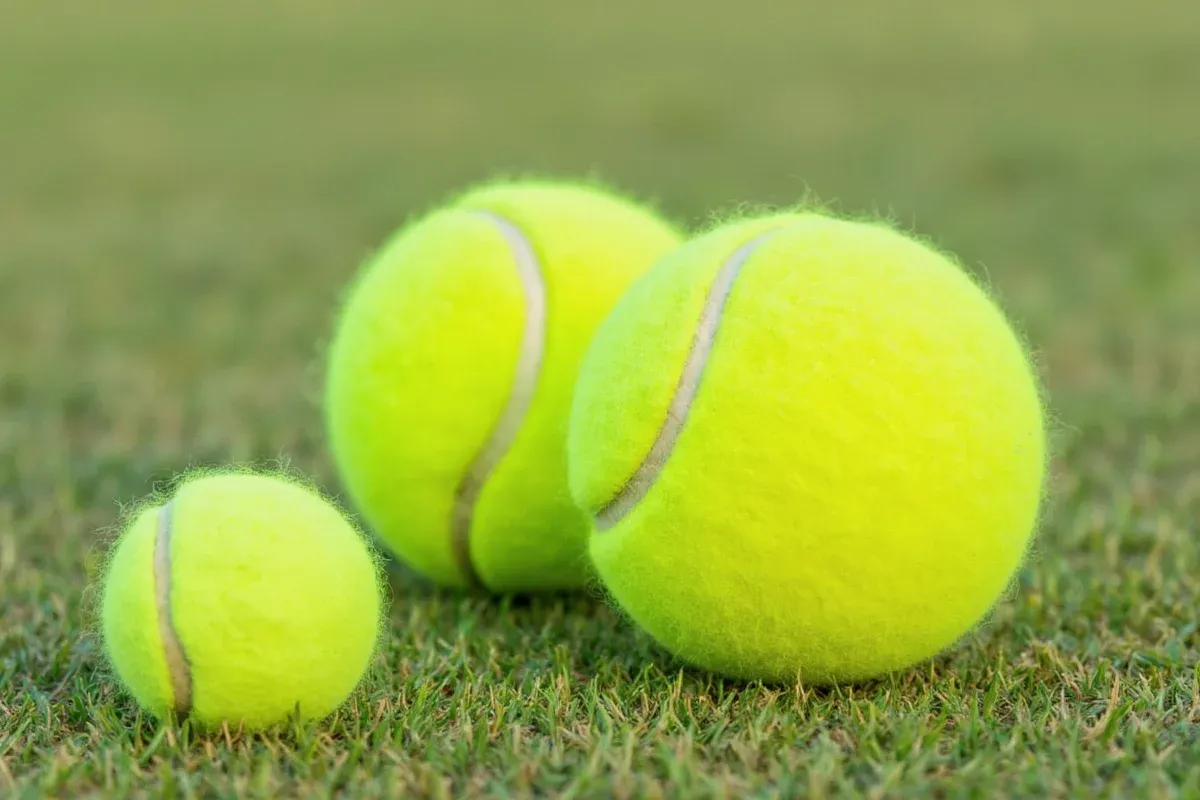
How Big Is a Tennis Ball? Official Size & Regulations
A standard tennis ball has a diameter of 2.575 inches (6.54 cm) to 2.7 inches (6.86 cm), as regulated by the International Tennis Federation (ITF). This size ensures consistent performance in professional and recreational play.
Understanding the Size of a Tennis Ball
The size of a tennis ball is strictly defined to maintain fairness and consistency across all levels of the game. Whether used in Grand Slam tournaments or backyard matches, regulation tennis balls adhere to precise measurements.
Key Dimensions
- Diameter: 2.575 to 2.7 inches (6.54 to 6.86 cm)
- Circumference: Approximately 8.09 to 8.48 inches (20.55 to 21.54 cm)
- Weight: 1.975 to 2.095 ounces (56.0 to 59.4 grams)
Regulations Set by the International Tennis Federation
The ITF governs the official specifications for tennis balls used in sanctioned events. These standards ensure uniformity in bounce, size, and weight.
Approved Ball Types
The ITF classifies tennis balls into three categories based on court surface and playing conditions:
- Type 1 (Fast Speed): Used for fast court surfaces like grass and artificial turf
- Type 2 (Medium Speed): Standard ball for clay and hard courts
- Type 3 (Slow Speed): Larger ball for high-altitude play
| Ball Type | Diameter (inches) | Diameter (cm) | Weight (oz) | Weight (g) |
|---|---|---|---|---|
| Type 1 | 2.575 – 2.7 | 6.54 – 6.86 | 1.975 – 2.095 | 56.0 – 59.4 |
| Type 2 | 2.575 – 2.7 | 6.54 – 6.86 | 1.975 – 2.095 | 56.0 – 59.4 |
| Type 3 | 2.7 – 2.83 | 6.86 – 7.19 | 1.975 – 2.095 | 56.0 – 59.4 |
The data shows that while weight remains consistent across types, Type 3 balls are slightly larger to reduce speed at high altitudes. This adjustment improves playability under thinner air conditions.
Variations in Non-Regulation Tennis Balls
Not all tennis balls follow ITF regulations. Training aids, junior balls, and pressureless practice balls may differ significantly in size and performance.
Common Non-Standard Sizes
- Red Stage 3 (Large): For young beginners, up to 3 inches in diameter
- Green Dot: Slightly lower compression, same size as regular balls
- Foam Balls: Up to 3.2 inches, used for safety in youth programs
Why Size Matters in Tennis Performance
The size of a tennis ball directly affects aerodynamics, bounce height, and player reaction time. A larger ball creates more air resistance, slowing down gameplay—especially useful at high altitudes where the air is thinner.
Consistent sizing ensures predictable behavior during rallies and serves, making it easier for players to anticipate shots and for equipment manufacturers to design compatible racquets and training tools.
Frequently Asked Questions About Tennis Ball Size
What is the exact diameter of a standard tennis ball?
A standard tennis ball has a diameter between 2.575 and 2.7 inches (6.54 to 6.86 cm), as defined by the ITF.
Are all tennis balls the same size?
Most regulation tennis balls are the same size, but Type 3 (high-altitude) balls are slightly larger, ranging from 2.7 to 2.83 inches in diameter.
How big is a tennis ball in centimeters?
A regulation tennis ball measures between 6.54 cm and 6.86 cm in diameter.
Do tennis ball sizes vary by brand?
No, major brands like Wilson, Penn, and Dunlop manufacture balls to ITF standards, ensuring size consistency across products.
Why are high-altitude tennis balls bigger?
Larger high-altitude balls (Type 3) increase air resistance to offset faster movement in thin air, maintaining balanced gameplay.
More Articles
 How Many Major Tournaments Are There in Golf?
 Has There Ever Been a Shutout in a Super Bowl?
 Volleyball Season: U.S. & Global Schedules (2026)
 How Long Do Baseball Games Last? (2025 Data)
 Where Was Boxing Invented? Origins & Evolution
 How Big Is a Baseball Bat? Sizes & Regulations Explained
 Sports Equipment Care and Maintenance
 Who Picks Super Bowl Halftime Show Performers?
 Detroit Tigers Radio Station: Where to Listen Live
 Who Was in the Super Bowl: Teams, History & Results