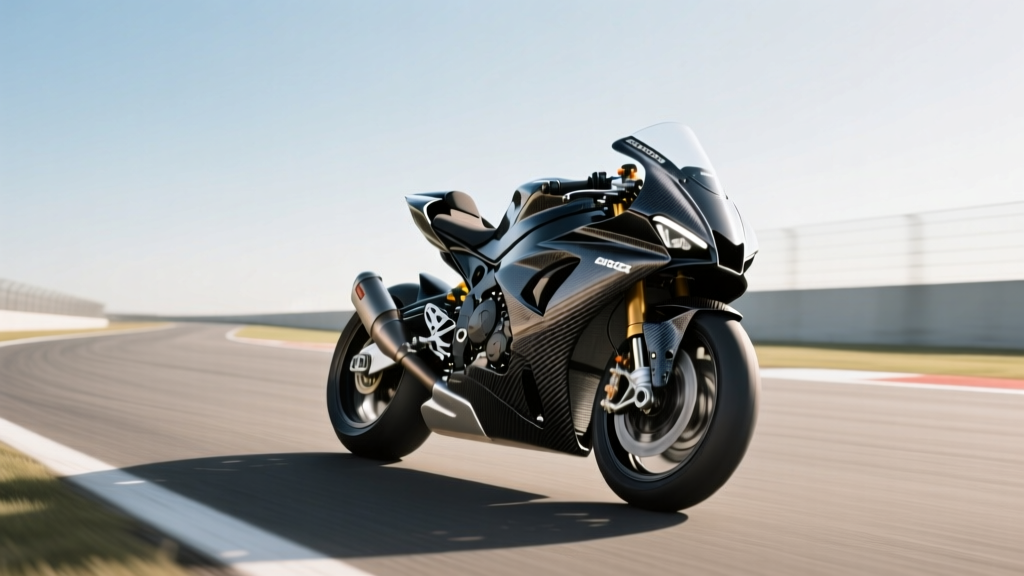
How Much Are MotoGP Bikes? 2025 Pricing & Costs
MotoGP bikes typically cost between $2 million and $3.5 million, with the total annual team expenditure often exceeding $10 million due to R&D, spare parts, and operational logistics.
What Determines the Price of a MotoGP Bike?
The cost of a MotoGP motorcycle is influenced by far more than just assembly. These machines are at the pinnacle of motorsport engineering, developed by factory teams like Ducati, Yamaha, Honda, and KTM using cutting-edge technology and materials.
Key Factors Driving MotoGP Bike Costs
- Advanced Materials: Extensive use of carbon fiber, titanium, and aerospace-grade aluminum significantly increases manufacturing costs.
- Electronics and Software: Sophisticated engine management systems, traction control, wheelie control, and data analytics require millions in R&D.
- Engine Development: Each engine is hand-built, stressed beyond road-legal limits, and designed for peak performance over short lifespans.
- Aerodynamics: Wind tunnel testing and custom fairings with winglets add substantial design and production expenses.
- Team Infrastructure: Logistics, engineers, mechanics, and real-time telemetry support contribute to the overall investment.
Factory vs. Satellite Team Bikes: Cost Comparison
While factory bikes represent the most advanced and expensive versions, satellite teams operate with slightly less sophisticated machinery under cost-saving regulations introduced by Dorna and FIM.
| Team Type | Bike Cost (USD) | Engine Usage per Season | ECU Type | Development Rights |
|---|---|---|---|---|
| Factory Team (e.g., Ducati Lenovo Team) | $2,800,000 – $3,500,000 | 7 engines | Proprietary software on standard hardware | Full development allowed |
| Satellite Team (e.g., Pramac Racing) | $1,800,000 – $2,200,000 | 7 engines (same as factory) | Standard Magneti Marelli ECU | Limited updates |
| Independent Rider (non-factory) | $1,500,000 – $1,800,000 | Rental or shared engines | Standard ECU | No development rights |
The table highlights the disparity between factory and satellite operations. Factory bikes benefit from continuous development and bespoke components, justifying their higher price tags. Satellite teams, while using last year’s chassis or spec electronics, still operate multi-million-dollar machines supported by strict cost-cap regulations introduced in 2023 to improve competition balance.
Breakdown of Major Cost Components
Understanding where the money goes helps explain why these bikes command such high prices.
Engine and Powertrain
A single MotoGP engine costs upwards of $300,000 to develop and build. Teams are limited to seven engines per rider per season, meaning each must last approximately 1,000 km under extreme stress. Reliability and performance tuning require extensive dyno testing and simulation.
Electronics and Telemetry Systems
Although all teams use the same Magneti Marelli ECU hardware, factory teams invest heavily in proprietary software algorithms for launch control, cornering ABS, and predictive traction control. Real-time data streaming during races enables split-second strategy adjustments.
R&D and Aerodynamic Testing
Top manufacturers spend millions annually on wind tunnel time and computational fluid dynamics (CFD). For example, Ducati’s aerodynamic innovations—including front-wheel lift reduction systems—have given them a competitive edge since 2020.
Cost Cap Regulations and Their Impact
In 2023, MotoGP introduced a cost cap of €15.5 million per bike (approximately $16.8 million) for factory teams, covering everything from bike construction to transport and personnel. This aims to level the playing field and prevent financial domination by wealthier manufacturers.
- The cap includes chassis, engine, electronics, and logistics but excludes rider salaries and marketing.
- Teams must submit detailed financial reports to Dorna for auditing.
- Smaller manufacturers like Aprilia and KTM have benefited from increased competitiveness.
Frequently Asked Questions About MotoGP Bike Costs
How much does a MotoGP bike cost in 2025?
As of 2025, a factory-spec MotoGP bike costs between $2.8 million and $3.5 million. Satellite bikes are slightly cheaper, ranging from $1.8 million to $2.2 million, due to older chassis and restricted electronics.
Why are MotoGP bikes so expensive?
MotoGP bikes are among the most technologically advanced motorcycles in the world. They feature custom carbon fiber bodies, titanium components, cutting-edge aerodynamics, and proprietary software systems—all developed through extensive R&D and testing.
Can you buy a MotoGP bike?
No, MotoGP bikes are not available for public purchase. They are built exclusively for racing and do not meet road-legal requirements. However, manufacturers release replica models like the Ducati Desmosedici RR or Yamaha YZR-M1 Safety Bike for collectors.
How much does it cost to run a full MotoGP team?
Operating a full factory team can exceed $50 million annually, including two bikes, rider contracts, travel, engineering staff, and R&D. Satellite teams spend between $10 million and $20 million per year.
Are all MotoGP bikes the same price?
No, prices vary based on team status, technology access, and development rights. Factory bikes are significantly more expensive than satellite models due to ongoing upgrades, better materials, and enhanced software packages.
More Articles
 Best Volleyball Shoes for Liberos: Lightweight and Responsive Picks for 2026
 How Tall Is a Hurdle? Official Heights by Event
 Pre-Competition Checklist: Final Tips
 Best Basketball Shoes for Ankle Support: 2026 Buyer Guide
 Why Is There a Libero in Volleyball? Rules, Purpose & History Explained (2026)
 How Many Gallons in an Olympic Size Swimming Pool?
 How High Can a Horse Jump? Record & Facts
 Most Watched Sporting Events in History: Global TV Viewership Records and Rankings
 Did Holly Rowe Play College Basketball? Yes, at UNC
 What Muscles Work When Swimming? Full Breakdown