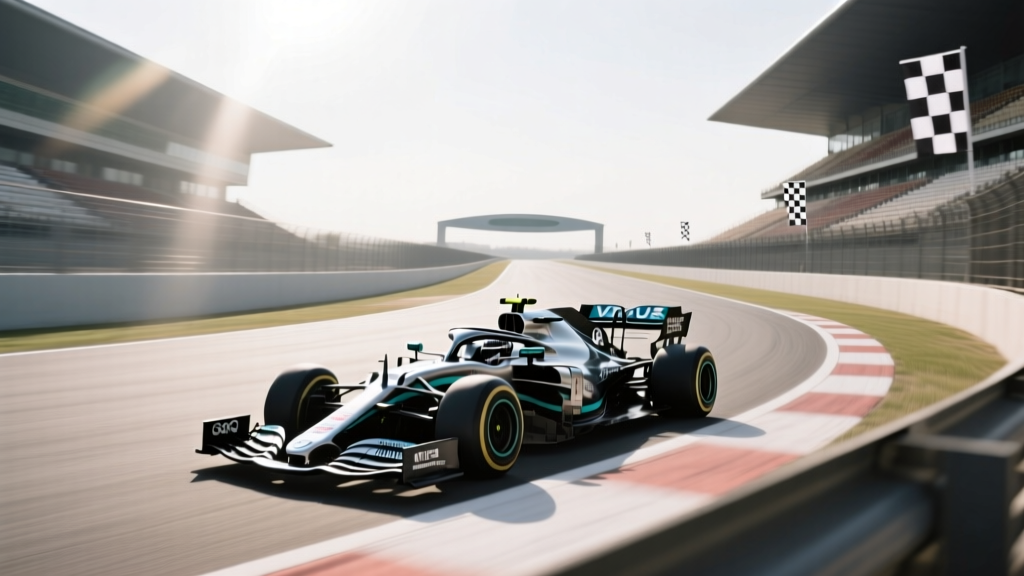
How Long Is a Formula 1 Race? Duration Explained
Formula 1 races typically last around 1.5 to 2 hours, with the actual duration determined by either completing a set number of laps (usually 50–58) or reaching a two-hour time limit, whichever comes first.
Understanding Formula 1 Race Duration
The length of an F1 race is not measured in time alone but primarily by distance. Each Grand Prix must cover a total distance of approximately 305 kilometers (190 miles), except for the Monaco Grand Prix, which is slightly shorter due to its unique track layout. The number of laps varies by circuit, and once 75% of the scheduled race distance is completed, the race result is taken from the end of the previous lap, even if the full distance isn't reached due to delays or weather.
Factors That Influence Race Length
While the target race time is around 1.5 to 2 hours, several variables can extend or shorten the actual duration:
- Safety Car periods: Reduce speed and effectively pause race timing.
- Red flags: Halt the race entirely, often adding significant time.
- Weather conditions: Rain can slow cars and trigger interruptions.
- Tire strategy and pit stops: Affect overall pace and race rhythm.
- Track layout: Narrow or twisty circuits like Monaco lead to slower average speeds.
Race Distance vs. Number of Laps
Each F1 circuit has a different lap length, so the number of laps required to reach ~305 km varies significantly. For example, the Circuit de Spa-Francorchamps in Belgium has long laps (7.004 km), requiring only 44 laps, while the short Marina Bay Street Circuit requires 62 laps to meet the minimum distance.
| Grand Prix | Circuit | Lap Distance (km) | Number of Laps | Total Race Distance (km) | Avg. Race Duration (min) |
|---|---|---|---|---|---|
| Monaco | Monte Carlo | 3.337 | 78 | 260.286 | 105 |
| Italy | Monza | 5.793 | 53 | 306.729 | 90 |
| Belgium | Spa-Francorchamps | 7.004 | 44 | 308.176 | 100 |
| United States | COTA | 5.513 | 56 | 308.728 | 95 |
| Singapore | Marina Bay | 5.063 | 62 | 313.906 | 110 |
| Saudi Arabia | Jeddah Corniche | 6.174 | 50 | 308.7 | 103 |
The table shows that while most races aim for around 305 km, some exceed this slightly. Longer circuits like Spa require fewer laps, while street circuits such as Singapore and Jeddah have more laps and longer durations due to lower average speeds. Night races like Singapore often run longer due to safety and visibility protocols.
Time Limits in F1 Races
According to FIA regulations, no F1 race should exceed two hours in active racing time. However, with red flags, the total elapsed time can be up to three hours. If a race is suspended and cannot resume, results are taken after 75% of the original distance has been completed.
Historical Changes in Race Duration
In the early 2000s, F1 races were generally shorter due to less complex strategies and refueling, which allowed faster stints. Since the ban on mid-race refueling in 2010, pit strategies have become more conservative, slightly increasing average race times. Additionally, the introduction of the Drag Reduction System (DRS) and tire degradation management has influenced race pacing.
Frequently Asked Questions About Formula 1 Race Length
How long does a typical Formula 1 race last?
A typical F1 race lasts between 1.5 and 2 hours, depending on the circuit, weather, and race incidents. The race ends when either the full distance (~305 km) is completed or a two-hour time limit is reached.
Why do some F1 races take longer than others?
Race duration varies due to circuit length, number of safety car deployments, weather delays, and red flag stoppages. Street circuits like Singapore tend to run longer due to slower average speeds and higher chance of incidents.
What happens if an F1 race goes over two hours?
If a race exceeds two hours of running time, it ends at the completion of the current lap. However, if a red flag stops the race, the maximum allowable total time is three hours from the original start.
How many laps is a standard F1 race?
The number of laps varies by track. Most races consist of 50 to 58 laps, calculated to ensure the total distance is at least 305 km. Exceptions include Monaco (78 laps) and shorter street circuits with more laps.
Is the race distance the same for every Grand Prix?
Almost all F1 races target a total distance of approximately 305 km. The Monaco Grand Prix is the exception, covering about 260 km due to its shorter lap length and urban constraints.
More Articles
 Best Basketball Shoes for Ankle Support: 2026 Buyer Guide
 When Is the Equestrian Olympics? Dates & Events
 How to Fix Team Performance Issues
 How Long Are Field Hockey Games? Full Timing Breakdown
 Can All Jet Skis Go in the Ocean? Key Facts
 Where Was Ice Hockey Invented? The True Origin
 Why Swimming in a Quarry Is Dangerous
 How High Did Simone Biles Jump? Up to 11.5 Feet
 Best Volleyball Shoes for Liberos: Lightweight and Responsive Picks for 2026
 How High Is an Olympic Hurdle? Official Heights Explained