
Why Football Is the Best Sport in the World
Football is the best sport because it combines global unity, simplicity, physical and tactical excellence, and unmatched cultural impact—transcending borders to connect billions through shared passion.
Global Popularity and Cultural Impact
Football, known as soccer in some regions, stands as the most popular sport in the world by participation, viewership, and fan engagement. Its universal appeal bridges cultures, languages, and continents, making it more than just a game—it's a global phenomenon.
Why Football Dominates Worldwide
- Played in over 211 countries under FIFA’s governance
- Over 3.5 billion fans globally as of 2025
- The FIFA World Cup reaches more than 5 billion viewers every four years
- Minimal equipment needed—only a ball and open space
- Deeply embedded in national identities (e.g., Brazil, Argentina, Germany, Nigeria)
| Tournament | Viewership (Billions) | Participating Nations | Frequency |
|---|---|---|---|
| FIFA World Cup | 5.0 | 32 (expanding to 48) | Every 4 years |
| UEFA Champions League Final | 0.4 | 2 | Annual |
| Olympic Games (Men's Football) | 1.2 | 16 | Every 4 years |
| English Premier League (Season Reach) | 3.2 | N/A | Annual |
The FIFA World Cup significantly outperforms other football events in global reach, engaging over 5 billion viewers—more than half the world’s population. Even club-level finals like the UEFA Champions League attract hundreds of millions, demonstrating football’s consistent mass appeal across international and domestic stages.
Simplicity and Accessibility
One of football’s greatest strengths is its low barrier to entry. Unlike sports requiring expensive gear or specialized facilities, football only needs a ball and enough space to play.
What Makes Football Accessible?
- No costly equipment: A makeshift ball and goals suffice
- Playable on streets, beaches, fields, or indoor courts
- Rules are easy to learn but difficult to master
- Inclusive for all ages and genders
- Organized and informal games coexist worldwide
Physical and Tactical Excellence
Football demands a unique blend of endurance, agility, coordination, and intelligence. Players must combine individual skill with team strategy, making it one of the most dynamic sports physically and mentally.
Key Athletic and Strategic Elements
- Average player runs 9–12 km per match
- Requires constant spatial awareness and decision-making
- Combines sprinting, jogging, jumping, and quick directional changes
- Team formations (e.g., 4-3-3, 3-5-2) reflect deep tactical variety
- Goalkeepers require specialized reflexes and positioning skills
Economic and Social Influence
Football drives massive economic activity and social change. From multi-billion-dollar transfers to grassroots development programs, the sport shapes economies and communities.
Impact Beyond the Pitch
- Total transfer spending in 2024 exceeded $7.5 billion globally
- Top players earn over $100 million annually (salaries + endorsements)
- Clubs like Real Madrid and Manchester United are billion-dollar brands
- Used in education, peace-building, and health initiatives worldwide
- Women’s football is growing rapidly, with increased investment and viewership
Frequently Asked Questions About Why Football Is the Best Sport
Why is football considered better than other sports?
Football is often seen as superior due to its global reach, simplicity, inclusivity, and ability to unite people across cultures. It requires minimal resources to play yet offers elite competition at the highest levels, combining athleticism, teamwork, and strategy unlike any other sport.
What makes football the most popular sport in the world?
Football’s popularity stems from its accessibility, low cost, universal rules, and emotional connection to national identity. Major tournaments like the FIFA World Cup captivate billions, while local pickup games happen daily in nearly every country, reinforcing its widespread appeal.
How does football promote teamwork and discipline?
Football relies heavily on coordination, communication, and trust among players. Success depends on structured roles, adherence to tactics, and selfless play, fostering values like discipline, resilience, and cooperation both on and off the field.
Is football safe for children to play?
Yes, football is generally safe for children and promotes healthy physical activity, motor skills, and social development. With proper supervision, equipment, and adherence to age-appropriate rules, risks are minimized while benefits in fitness and teamwork are maximized.
How has women’s football grown in recent years?
Women’s football has seen exponential growth, with record-breaking attendance and TV ratings for tournaments like the FIFA Women’s World Cup. Investment in professional leagues, equal pay initiatives, and media coverage continues to rise, expanding opportunities for female athletes worldwide.
Conclusion: The Universal Appeal of Football
Football earns its title as the best sport through unmatched global reach, simplicity of play, physical and mental challenges, and profound cultural significance. It transcends entertainment, serving as a platform for unity, expression, and inspiration across generations and geographies.
More Articles
 Will College Football 25 Be on EA Play? Yes, Here's How
 How Many Square Yards in a Football Field?
 How Many Weeks of College Football Are There?
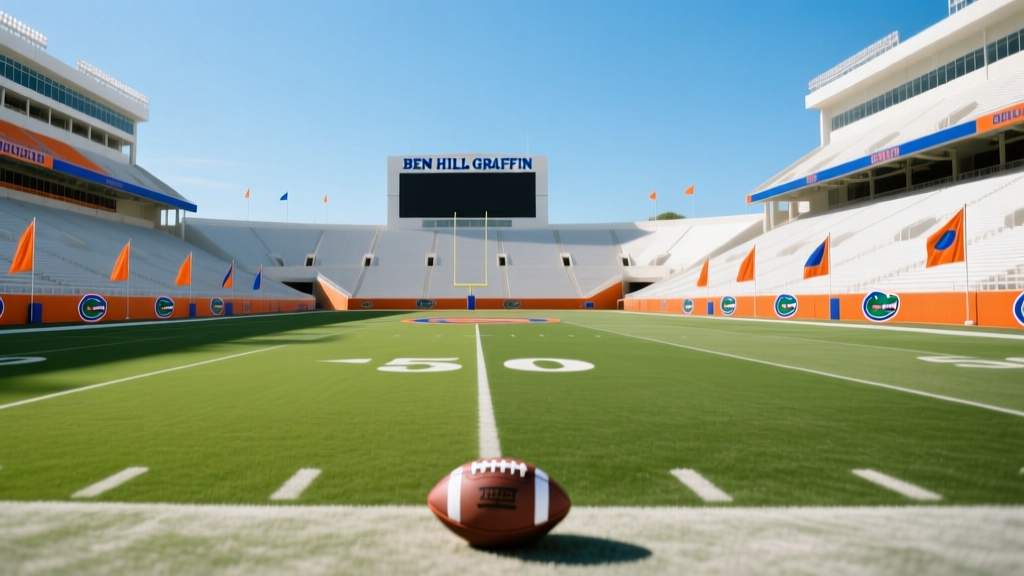 Where Do the Florida Gators Play Football? | The Swamp
 How To Start in Football Coaching: A Practical Guide
 De La Salle High School Football: Legacy & Stats
 Did Raheem Morris Play Football? Career Details
 How Many Scholarships for D1 Football? Full Breakdown
 When Does Preseason Start for Football? Key Dates Explained
 Most Expensive Football Cards: Top 10 List & Values