Why Is College Football So Popular? Key Reasons Explained
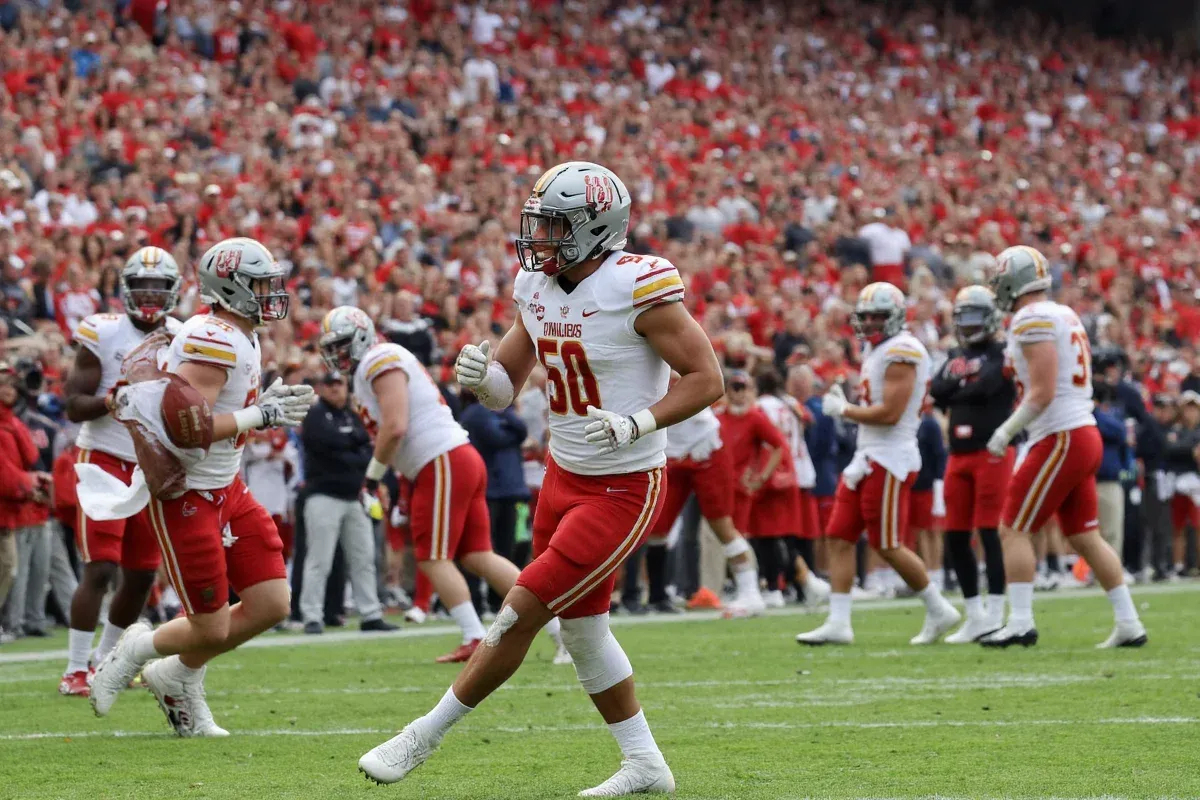
College football's popularity stems from a unique blend of tradition, school pride, intense rivalries, and deep cultural roots in American society—especially in the South and Midwest, where games function as major social events.
Historical Roots and Tradition
College football has been played in the United States since the late 1800s, making it one of the oldest organized sports in the country. Many programs boast over a century of history, creating deep institutional traditions.
- The first college football game was played in 1869 between Rutgers and Princeton.
- Schools like Notre Dame, Michigan, and Alabama have built national brands on football excellence.
- Marching bands, fight songs, and pregame tailgates are time-honored rituals that strengthen community bonds.
Iconic Programs and Legacy
Long-standing programs with consistent success generate loyalty across generations. Families pass down team allegiances like heirlooms, reinforcing emotional investment.
School Spirit and Community Identity
Unlike professional teams, college football represents educational institutions, fostering pride among students, alumni, and local communities.
- Campus-wide unity during game days enhances student engagement.
- Alumni often maintain lifelong connections to their alma mater primarily through football.
- Towns like Ann Arbor, Tuscaloosa, and Clemson effectively shut down on game weekends.
Rivalries That Fuel Passion
Some of the most heated rivalries in all of sports occur in college football, drawing massive viewership and emotional intensity.
- Army vs. Navy: A symbol of patriotism and service academy pride.
- Alabama vs. Auburn (Iron Bowl): Divides the state of Alabama every year.
- Ohio State vs. Michigan: Often determines Big Ten supremacy.
These matchups transcend sport, becoming cultural touchstones that define regional identities.
Economic and Media Impact
College football generates billions annually and dominates fall television schedules.
| University | Football Revenue (2023) | Stadium Capacity | TV Deal (Annual Average) |
|---|---|---|---|
| University of Texas | $237M | 100,119 | $40M (SEC) |
| Ohio State University | $175M | 102,780 | $35M (Big Ten) |
| University of Alabama | $163M | 100,077 | $35M (SEC) |
| University of Michigan | $144M | 107,601 | $35M (Big Ten) |
| Notre Dame | $130M | 77,622 | $15M (NBC) |
The table shows how elite programs generate enormous revenue, largely driven by ticket sales, sponsorships, and media rights. The SEC and Big Ten lead financially due to lucrative conference TV deals. Even independent programs like Notre Dame benefit from long-term network partnerships.
Pathway to the NFL
College football serves as the primary development league for the NFL, increasing fan interest in player performance and draft prospects.
- Heisman Trophy winners often become household names before turning pro.
- Top recruits are celebrated like celebrities upon signing.
- Scouting combines and draft prep elevate college stars into national conversations.
Cultural Significance Across Regions
In many parts of the U.S., particularly the South, college football is more than entertainment—it's a way of life.
- High school players dream of playing for powerhouse programs.
- Local businesses revolve around home game weekends.
- Churches adjust service times to avoid conflicts with broadcasts.
This level of integration makes college football a cornerstone of regional culture.
Frequently Asked Questions About College Football's Popularity
Why do people care more about college football than NFL in some areas?
In regions like the South and rural Midwest, college teams represent community identity and generational pride. Unlike NFL franchises, which can relocate, college teams are deeply tied to universities and local economies, creating stronger emotional attachment.
How does college football contribute to university branding?
Successful football programs significantly boost national visibility for universities. Schools like Boise State and TCU gained academic recognition after football success, leading to increased applications and donations.
What role does television play in college football's popularity?
Nationwide broadcast deals with ESPN, FOX, and NBC ensure games reach millions weekly. Prime-time Saturday slots and dedicated channels like the Big Ten Network keep fans engaged throughout the season.
Why are there so many bowl games?
Bowl games originated as postseason celebrations but have expanded into a commercialized system involving 40+ annual matchups. They provide exposure, revenue, and incentives for teams finishing with winning records.
How has the NCAA playoff system changed fan interest?
The evolution from the BCS to a 12-team playoff format in 2024 intensified end-of-season excitement, giving more teams a shot at the national title and extending competitive relevance into January.
More Articles
 Where Did Football Originate? The True Birthplace Revealed
 What Does Pick 6 Mean in Football? Explained
 How Many Downs in a Football Game? Explained
 How Much Do College Football Refs Make? (2025 Data)
 What Channel Is Ole Miss Football On Today? (Oct 2025)
 How Many States Have NFL Teams? (2025 Update)
 When Does College Football Practice Start? 2025 Dates
 Monday Night Football Start Time Explained
 Football Fixtures Today: Latest Matches (2026)
 Who Is the Greatest Football Player of All Time?