Where Do the Navy Midshipmen Play Football?
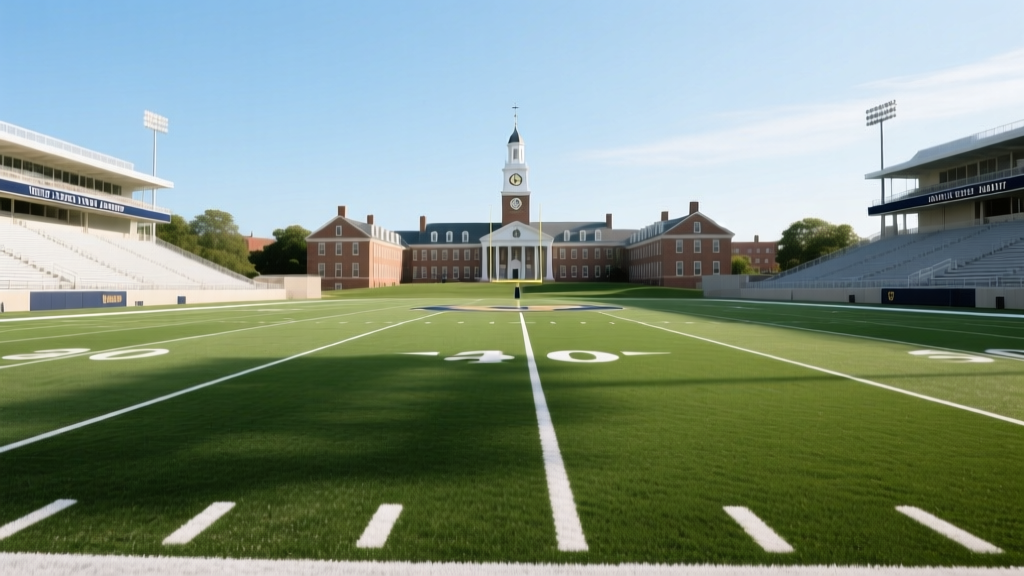
The Navy Midshipmen football team plays its home games at Navy-Marine Corps Memorial Stadium, located in Annapolis, Maryland. This 34,000-seat outdoor stadium, situated along the Severn River, has been the official home of Navy football since 1959 and hosts all their home NCAA Division I Football Bowl Subdivision (FBS) matchups.
Overview of Navy-Marine Corps Memorial Stadium
Navy-Marine Corps Memorial Stadium is more than just a college football venue—it's a historic landmark honoring U.S. military service members. The stadium serves as the primary competition site for the United States Naval Academy's football program and is shared occasionally with other events, including high school championships and lacrosse games.
Key Features of the Stadium
- Location: Annapolis, Maryland, on the campus grounds near the Naval Academy.
- Capacity: Approximately 34,000 spectators.
- Surface: FieldTurf Revolution (installed in 2017).
- Opened: September 1959.
- Primary Tenant: Navy Midshipmen football (NCAA FBS, American Athletic Conference).
- Elevation: 12 feet above sea level.
History and Significance
Built to honor the brave men and women of the U.S. Navy and Marine Corps, the stadium was dedicated in 1959 with an initial capacity over 34,000. Over the decades, it has undergone several renovations to improve fan experience, safety, and media facilities. Notably, major upgrades occurred in 2005 and 2014, including new scoreboards, seating enhancements, and expanded press boxes.
The venue holds deep symbolic meaning, reinforcing the connection between athletic excellence and military service. Each game day includes ceremonial traditions such as the march of midshipmen from Bancroft Hall and pregame parades that reflect the academy’s discipline and heritage.
Game Day Experience at Navy Home Games
Attending a Navy Midshipmen home game offers fans a unique blend of collegiate athletics and military tradition. The atmosphere combines spirited student support with patriotic displays, making it one of the most distinctive environments in college football.
What Fans Can Expect
- Tailgating Culture: Family-friendly and highly organized; parking lots open early and fill quickly.
- Military Traditions: Pre-game formations, band performances, and flyovers during key matchups (e.g., Army-Navy Game).
- Accessibility: ADA-compliant entrances, elevators, and restrooms available throughout.
- Transportation: Shuttle services from nearby lots due to limited on-site parking.
- Food & Merchandise: Concession stands featuring local favorites and official Navy gear tents around the perimeter.
| Stadium Attribute | Detail |
|---|---|
| Official Name | Navy-Marine Corps Memorial Stadium |
| Location | Annapolis, MD 21402, USA |
| Coordinates | 38.9867° N, 76.4833° W |
| Owner | Naval Academy Athletic Association |
| Operator | United States Naval Academy |
| Capacity | 34,000 |
| Field Size | 160 ft × 360 ft (American football) |
| Surface Type | FieldTurf Revolution |
| First Game | September 26, 1959 (vs. William & Mary) |
| Record Attendance | 43,000 (estimated, 1963 vs. Notre Dame) |
| Renovations | 2005, 2014, 2017 (turf upgrade) |
| Construction Cost | $2.5 million (1959 value) |
| Public Transit Access | Limited; shuttles provided on game days |
| Year-Round Events | Yes – concerts, graduations, military ceremonies |
The data shows consistent investment in maintaining a modern yet traditional stadium environment. Despite its age, Navy-Marine Corps Memorial Stadium remains competitive among Group of Five and service academy venues, offering solid infrastructure and emotional resonance unmatched by commercial stadiums.
Conference Affiliation and Scheduling Context
As a member of the American Athletic Conference (AAC) since 2015, the Navy Midshipmen play eight or nine conference games annually, with five or six hosted at home. Non-conference matchups often include regional rivals and Power Five opponents, some of which draw increased attendance and national broadcast attention.
Recent Home Schedule Highlights (2023–2024 Season)
- Temple Owls – AAC East division opponent.
- Cornell Big Red – Non-conference Ivy League matchup.
- East Carolina Pirates – Key AAC rivalry game.
- Tulane Green Wave – High-stakes conference showdown.
- Army Black Knights – Season finale held alternately in Philadelphia; when not played there, hosted in Annapolis every few years under rotation agreements.
Frequently Asked Questions About Where the Navy Midshipmen Play Football
Where do the Navy Midshipmen play their home football games?
The Navy Midshipmen play their home football games at Navy-Marine Corps Memorial Stadium in Annapolis, Maryland. The stadium is located near the banks of the Severn River and has served as the team’s home field since 1959.
How many people can attend a game at Navy-Marine Corps Memorial Stadium?
The stadium has a seating capacity of approximately 34,000 fans. While this is modest compared to larger Power Five programs, it creates an intimate and intense game-day atmosphere, especially during rivalry contests like the annual matchup against Air Force or when preparing for the Army-Navy Game.
Is the Army-Navy Game always played at Navy’s home stadium?
No, the Army-Navy Game is not always played at Navy-Marine Corps Memorial Stadium. Since 1930, the neutral-site contest has primarily been held in Philadelphia, Pennsylvania, usually at Lincoln Financial Field. The location rotates only in exceptional circumstances, such as weather emergencies or scheduling conflicts.
Can the public attend Navy Midshipmen home games?
Yes, the public can purchase tickets to attend Navy Midshipmen home games. Tickets are available through the official Naval Academy ticket office and authorized resellers. Availability varies based on demand, especially for rivalry games and senior day matchups.
Has Navy ever played home games at alternate locations?
While Navy-Marine Corps Memorial Stadium is the designated home venue, the Midshipmen have occasionally played “home” games at neutral sites for special events. For example, select games have been hosted at M&T Bank Stadium in Baltimore to accommodate larger crowds or for logistical reasons. However, these are exceptions rather than routine practices.
More Articles
 When Was the First College Football Game Played?
 Who Plays NFL Football on Sunday? Full Guide & Schedule
 How Many Points Is a Touchdown in Football?
 Who Won the 2006 FIFA World Cup? Italy Triumphs
 What Does a Football Symbolize? Meaning & Impact
 What Conference Is Notre Dame Football In? ACC Explained
 Who Owns Tottenham Hotspur FC? Full Ownership Breakdown
 What Time Does Penn State Play Football Today?
 Who Is Playing NFL Football on Christmas Day 2025?
 Where Did Jaden Daniels Play College Football?