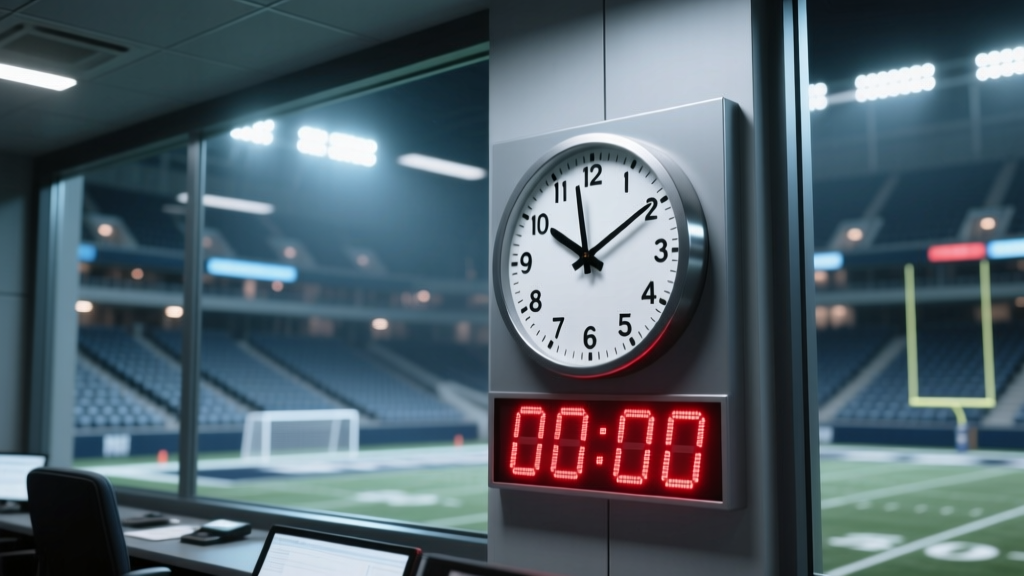
When Does the Clock Stop in Football? Key Rules Explained
In American football, the clock stops for several specific reasons including incomplete passes, out-of-bounds plays, timeouts, scores, penalties, and during the final minutes of each half when certain administrative actions occur.
When Does the Clock Stop in Football: Key Situations
The game clock in American football does not run continuously. It starts and stops based on specific events during play. Understanding when the clock stops is crucial for players, coaches, and fans to grasp game strategy, especially in close contests near the end of halves.
Primary Reasons the Clock Stops
- Incomplete Pass: If a forward pass hits the ground without being caught, the clock stops.
- Player Goes Out of Bounds: When a ball carrier steps out of bounds, the clock stops until the next snap—unless it occurs in the final two minutes of a half.
- Timeouts: Each team has three timeouts per half; using one stops the clock immediately.
- Change of Possession: After an interception, fumble recovery, or punt, the clock typically stops until the new offensive team lines up.
- Scores: Any touchdown, field goal, or safety triggers a clock stoppage.
- Penalties: Most penalties halt the clock during review or enforcement.
- Two-Minute Warning: An automatic stoppage occurs when the clock reaches 2:00 in each half.
- End of Quarter: The clock stops after every quarter ends, with a two-minute break between quarters and halftime.
How Clock Rules Vary by League
Different leagues apply slightly different timing rules, affecting how often and when the clock stops.
| League | Clock Restart After Out of Bounds | Incomplete Pass Clock Stop | Two-Minute Warning | Timeout Duration |
|---|---|---|---|---|
| NFL | After whistle (in last 2 min) | Yes | Yes | 70 seconds |
| College (NCAA) | After next snap (except last 2 min) | Yes | No | 90 seconds |
| High School (NFHS) | After next snap | Yes | No | 90 seconds |
The NFL uses stricter clock management in the final two minutes, stopping the clock whenever a player goes out of bounds. In contrast, NCAA and high school resume the clock after the ball is set for the next play unless in the closing minutes. This difference significantly impacts end-game strategies.
Strategic Use of Clock Management
Coaches and quarterbacks often use clock stoppages strategically, particularly late in games. Teams trailing may conserve timeouts to extend the game, while leading teams attempt to “run out the clock” by staying in bounds and minimizing stoppages.
Key Strategic Scenarios
- Running Out the Clock: A team ahead will use running plays and stay in bounds to reduce available time for opponents.
- Hurry-Up Offense: Trailing teams may skip the huddle and snap the ball quickly to maximize possessions.
- Intentional Out-of-Bounds Runs: Near the end of a half, a runner may step out to stop the clock and preserve time for more plays.
- Using Timeouts Defensively: Defenders may burn opponent timeouts by calling quick substitutions or spiking the ball.
Frequently Asked Questions About the Football Clock
Does the clock stop every time a player goes out of bounds?
In the NFL, the clock stops when a player goes out of bounds during the last two minutes of either half. Outside this window, the clock restarts when the referee spots the ball. In college and high school, the clock typically restarts after the ball is ready for play, unless in the final two minutes.
Why does the clock stop after an incomplete pass?
The clock stops after an incomplete pass because the play is dead. This rule ensures fairness by preventing the defense from gaining an advantage through rapid continuation. The clock resumes on the snap unless it’s during a critical end-of-half situation.
What triggers the two-minute warning in the NFL?
The two-minute warning is an automatic stoppage when the game clock reaches exactly 2:00 in the second and fourth quarters. It functions like a timeout and gives teams a strategic pause to reassess their game plan.
How long do timeouts last in professional football?
In the NFL, regular timeouts last 70 seconds. Media timeouts and those occurring between quarters are longer. College football timeouts are 90 seconds, allowing more time for team coordination.
Does the clock stop after every score?
Yes, the clock stops after every score—touchdown, field goal, or safety. After a touchdown or field goal, the scoring team kicks off, and the clock restarts on the snap following the kickoff. After a safety, the team scored upon punts or free kicks, and the clock starts on the snap.
More Articles
 Highest-Paid NFL Football Coach in 2025
 When Was American Football Invented? History & Origins
 Monday Night Football Announcers 2026 | ESPN Team
 Liverpool 3-2 Man City: Final Score & Highlights
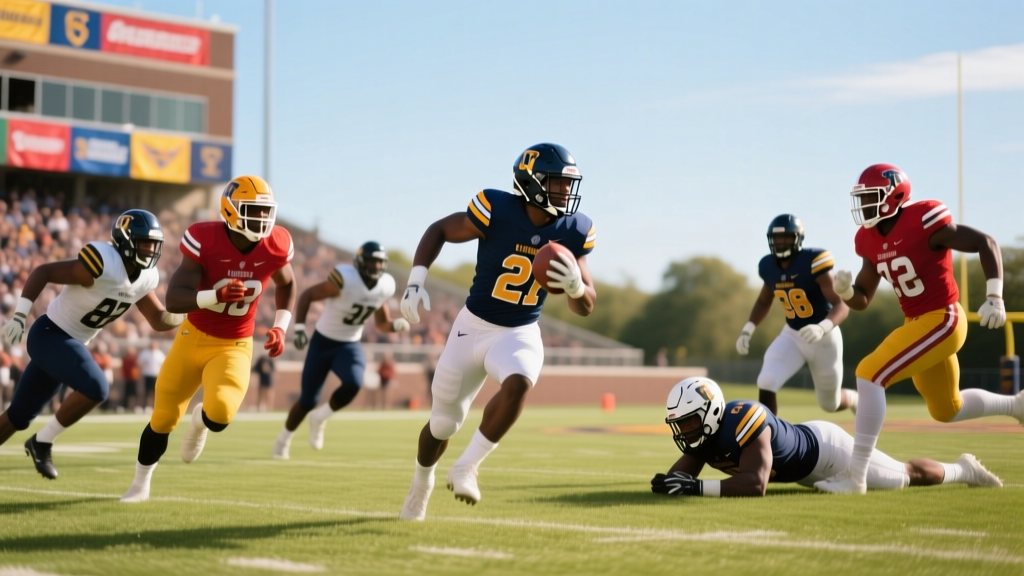 Who Plays Football on Saturday? College Teams Dominate
 Football Games on TV Today: Schedule & Channels
 Fastest Football Player 2025: Top Speeds & Records
 Where to Watch Vanderbilt vs Georgia State Football 2025
 What Does 'Q' Mean in Fantasy Football?
 How Many National Championships Has Alabama Won in Football?