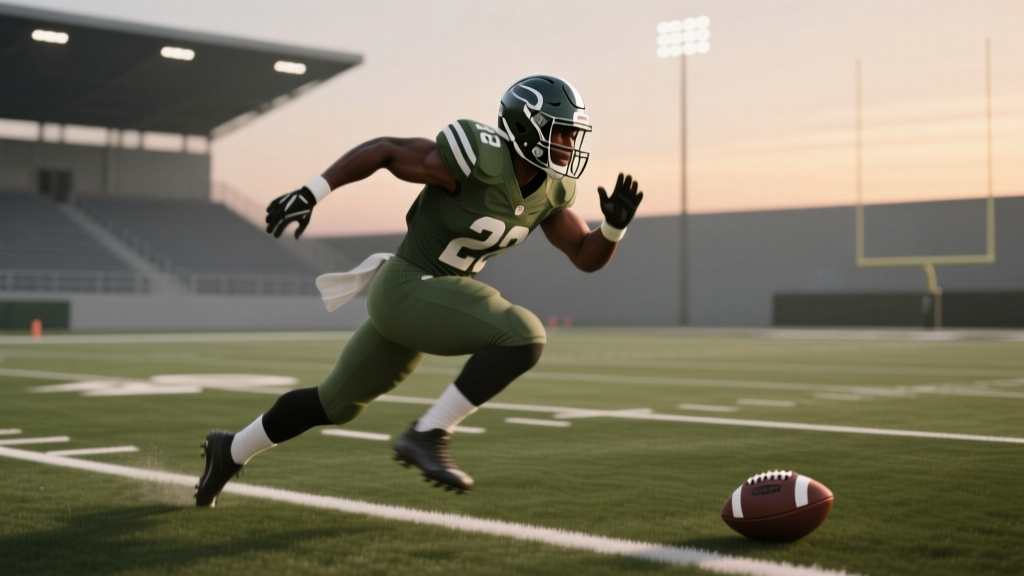
What Does Blitzing Mean in Football? Definition & Strategy
In football, blitzing means sending extra defenders—typically linebackers or defensive backs—on a pass rush to pressure the quarterback. This aggressive tactic aims to disrupt passing plays by overwhelming the offensive line, but it risks leaving receivers open if the blitz is evaded.
What Is Blitzing in Football?
Blitzing is a defensive strategy used primarily in American football where more than the standard number of defenders rush the quarterback during a passing play. Normally, only the defensive linemen (four players) apply pressure. In a blitz, five, six, or even seven defenders may rush, increasing the likelihood of a sack, hurried throw, or turnover.
Why Teams Use the Blitz
- To disrupt the quarterback's timing and rhythm
- To force a sack or tackle for loss
- To create turnovers via fumbles or interceptions
- To counter high-performing passing offenses
- To exploit weak offensive line protection
Types of Blitzes in Football
Defensive coordinators use various blitz packages depending on formation, personnel, and game situation. Common types include:
Zone Blitz
A disguised blitz where a linebacker drops into coverage while a defensive lineman rushes. This confuses the offensive line’s blocking assignments.
Man Blitz
Each blitzer is responsible for rushing the passer without dropping into coverage. Often used with pre-snap motion to confuse protections.
Fire Zone Blitz
A hybrid scheme combining zone coverage with selective pressure. Typically involves five rushers and six defenders in coverage, often using safety blitzes.
Double A-Gap Blitz
Two defenders (often linebackers) blitz through the A-gaps (between center and guards). Popularized by the Tampa 2 defense.
Advantages and Risks of Blitzing
While blitzing can generate pressure, it also exposes the defense to big plays if the quarterback escapes or throws quickly.
| Team | Blitz Rate (2024 Regular Season) | Sack Rate on Blitz | Pass Yards Allowed per Blitz Play | Completion % vs. Blitz |
|---|---|---|---|---|
| Philadelphia Eagles | 38.7% | 24.1% | 9.8 | 65.3% |
| Kansas City Chiefs | 22.5% | 16.8% | 7.2 | 58.9% |
| Baltimore Ravens | 41.3% | 26.5% | 11.1 | 67.8% |
| San Francisco 49ers | 35.6% | 23.0% | 8.5 | 62.1% |
| New York Jets | 18.9% | 14.2% | 6.8 | 55.4% |
The data shows that teams like the Baltimore Ravens and Philadelphia Eagles use aggressive blitzing strategies, correlating with higher sack rates. However, they also allow more yards per blitz play, indicating increased risk when pressure fails. The New York Jets, who rarely blitz, give up fewer yards but generate less pressure, highlighting the strategic trade-off.
How Quarterbacks Counter the Blitz
Elite quarterbacks recognize blitzes pre- or post-snap and adjust accordingly. Key counter-strategies include:
- Hot Routes: Quick slants or outs assigned to receivers based on overload zones.
- Quick Releases: Getting rid of the ball in under 2.5 seconds to beat pressure.
- Pre-Snap Reads: Identifying unbalanced fronts or overloaded gaps.
- Dump-Off Throws: Targeting running backs or tight ends in short zones.
- Check-Downs: Progressing to safe, low-risk options when primary targets are covered.
Famous Coaches Known for Blitzing
Certain defensive minds have built reputations on aggressive pressure schemes:
- Bill Belichick: Master of disguise and situational blitzing with the Patriots.
- Ron Rivera: Implemented heavy linebacker blitzes during his time with the Panthers.
- Don Martindale: “Wink” Martindale’s Ravens defenses led the league in blitz rate from 2020–2023.
- Steve Spagnuolo: Uses creative fire zone pressures with the Chiefs, especially in big moments.
Common Questions About Blitzing in Football
What does blitzing mean in football?
Blitzing in football refers to a defensive tactic where additional players beyond the front four rush the quarterback to increase pass pressure. It's designed to disrupt plays but can leave coverage vulnerable if the quarterback avoids the rush.
Who typically executes a blitz?
Linebackers are the most common blitzers, but safeties, cornerbacks, and even nickelbacks can be sent on blitz packages. Safeties executing a blitz are often called “safety valves” or “cover zero” looks when no deep help remains.
When do teams usually blitz?
Teams often blitz on second or third down with long yardage, where a pass is expected. They may also blitz late in halves to force quick decisions or after establishing a strong pass rush earlier in the game.
Is blitzing effective in modern football?
Yes, when used selectively. Data shows teams with moderate-to-high blitz rates (30–40%) achieve higher sack rates. However, overuse can be exploited by quick-passing offenses, making situational awareness crucial for success.
What is the difference between a blitz and a regular pass rush?
A regular pass rush involves only the defensive line (usually four players). A blitz adds one or more linebackers or defensive backs to create numerical advantages at the line of scrimmage, increasing pressure but reducing coverage depth.
More Articles
 Did Roger Goodell Play Football? Career Facts Explained
 Who Is the Best Football Player Right Now? (2025)
 When Does Fantasy Football End? 2025 Season Close Dates
 What Min Player Speed Threshold Means in CFB25
 How Many Miles Do Football Players Run in a Game?
 Oldest NFL Teams: Cardinals and Bears Since 1920
 Who Is the Best Player in Football? Messi Tops All
 How Many Footballs Are Used in the Super Bowl?
 How Many Men on a Football Field? Full Breakdown
 How Much Do Football Referees Make? (2025 Data)