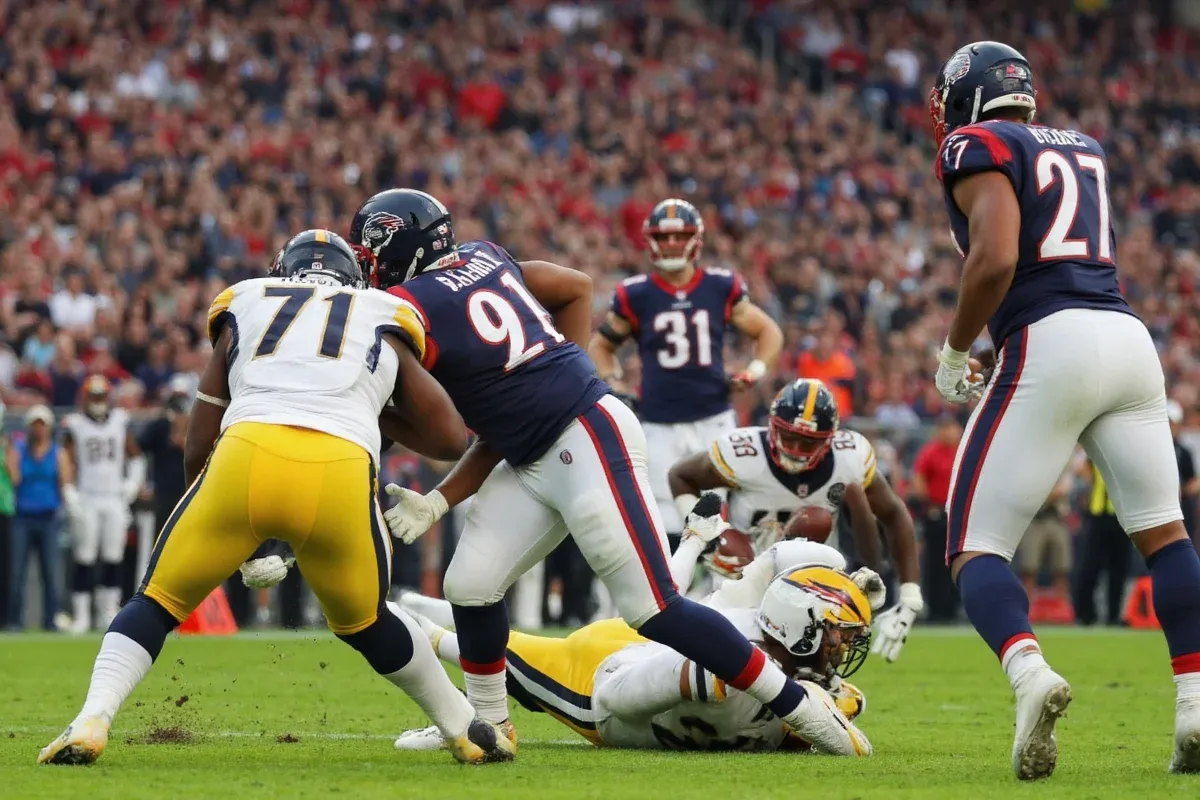
What Does a Safety Do in Football? Key Roles Explained
What Does a Safety Do in Football?
In American football, a safety is a defensive position responsible for deep coverage, preventing big plays, supporting run defense, and occasionally blitzing the quarterback. Safeties are typically the last line of defense and must possess speed, awareness, and tackling ability to protect the end zone and limit offensive gains.
Key Responsibilities of a Safety
The role of a safety is multifaceted, blending coverage, run support, and leadership. Unlike cornerbacks who cover receivers man-to-man, safeties often read the quarterback and adjust based on offensive formations. They are essential in both base and nickel defensive packages.
Primary Duties on Defense
- Provide deep pass coverage to prevent long touchdowns
- Support the run by filling gaps when linemen or linebackers are blocked
- Act as the 'last line of defense' in single-high or two-deep safety schemes
- Communicate pre-snap adjustments with other defensive backs
- Blitz the quarterback on selected passing downs
Types of Safeties: Free vs. Strong
There are two main types of safeties in football: free safety (FS) and strong safety (SS). Each has distinct roles based on alignment and responsibilities.
Free Safety (FS)
Typically positioned deeper in the secondary, the free safety is the primary coverage player. They excel in reading the quarterback and reacting to developing plays. FS players are usually faster and more agile, focusing on intercepting passes and covering deep zones.
Strong Safety (SS)
Aligned closer to the line of scrimmage, often near the tight end or running back, the strong safety is more physical. They assist in stopping the run and cover larger, stronger receivers. SS players often have linebacker-like traits—strength, tackling ability, and short-area quickness.
| Player | Team (2024) | Interceptions | Tackles | Sacks | Forced Fumbles |
|---|---|---|---|---|---|
| Derwin James | LAC | 3 | 98 | 5.5 | 2 |
| Ceedee Hatley Jr. | GB | 4 | 76 | 1.0 | 1 |
| Budda Baker | ARI | 2 | 103 | 1.5 | 0 |
| Kareem Jackson | DEN | 1 | 67 | 0.0 | 1 |
| Trevon Moehrig | LV | 2 | 84 | 0.5 | 0 |
The table highlights key performance metrics from top NFL safeties during the 2024 season. Derwin James stands out with high tackle and sack totals, reflecting his hybrid linebacker-safety role. Budda Baker recorded over 100 tackles, underscoring the importance of run support in the strong safety role. Interceptions remain critical, but modern safeties contribute across multiple statistical categories.
Evolution of the Safety Position
Over the past two decades, the safety position has evolved significantly. With the rise of spread offenses and three-plus-receiver sets, teams now use more nickel and dime packages, increasing the demand for versatile safeties who can cover slot receivers or play in the box.
Hybrid Safeties in Modern Defense
Today’s elite safeties often function as hybrid players—blending the skills of a cornerback, linebacker, and traditional safety. Players like Derwin James and Jamal Adams frequently line up in the box, blitz the quarterback, or shadow tight ends downfield. This versatility forces offenses to account for them pre-snap, creating mismatches and confusion.
Skills and Attributes of Elite Safeties
To succeed at the professional level, safeties must demonstrate a unique blend of physical and mental traits.
- Football IQ: Understanding offensive schemes and route combinations
- Range: Ability to cover large areas of the field quickly
- Hitting Power: Delivering effective tackles against runners and receivers
- Ball Skills: Intercepting passes and defending throws in tight windows
- Leadership: Organizing the secondary and making real-time adjustments
Frequently Asked Questions About Safeties in Football
What is the difference between a free safety and a strong safety?
The free safety primarily focuses on deep coverage and reading the quarterback, often playing center field in the secondary. The strong safety lines up closer to the line of scrimmage, supports the run more aggressively, and covers tight ends or running backs. Strong safeties tend to be more physical, while free safeties emphasize speed and ball-hawking ability.
Can a safety blitz the quarterback?
Yes, safeties frequently blitz the quarterback, especially on passing downs. A well-timed safety blitz can pressure the QB before the offensive line adjusts. Teams often use disguised coverages to hide the blitz, making it harder for the quarterback to react.
How many safeties are on the field in a standard defense?
A standard base defense includes two safeties: one free safety and one strong safety. In nickel or dime packages, teams may keep two safeties while adding extra cornerbacks, depending on the scheme and opponent.
Who are some of the best safeties in NFL history?
Legendary safeties include Ed Reed, Troy Polamalu, Ronnie Lott, and John Lynch. These players excelled in both coverage and hitting, earning multiple All-Pro selections and Hall of Fame recognition. Their impact reshaped how the position is played today.
Do safeties ever play man-to-man coverage?
Yes, especially in modern defenses. Safeties may cover tight ends, running backs, or even slot receivers in man-to-man schemes. While not their primary role, elite safeties like Derwin James regularly match up against versatile offensive weapons in one-on-one situations.
More Articles
 Did Mike Tomlin Play Football? Yes, in College
 Who Are the MNF Commentators in 2025?
 What Time Is Football? Global Kickoff Schedules Explained
 When Is Halftime in Football? NFL, NCAA & Soccer Explained
 When Does Preseason Football End? Key 2025 Dates
 Tennessee Football Ranking 2025: Current AP & Coaches Poll
 How Many Weeks Is the NFL Season? Full 2024-2025 Schedule
 How Long Are Quarters in College Football?
 Next Packers Game: Date, Time, TV Channel
 Who Is the Quickest Footballer in 2025? (Speed Data)