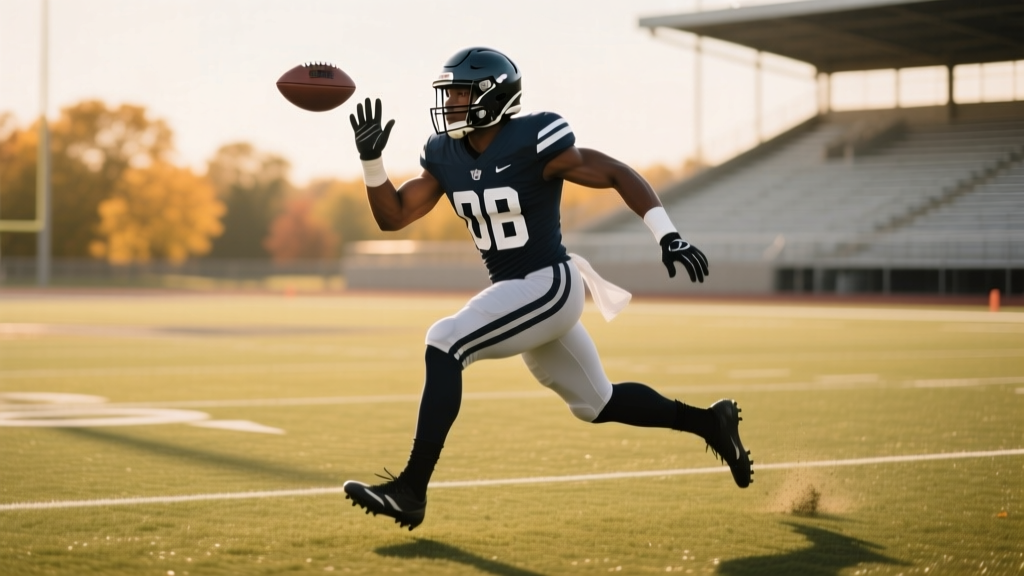
What Does a DB Do in Football? Role Explained
In American football, a DB (defensive back) is a key defensive position responsible for preventing the offense from completing passes and advancing the ball through the air. DBs primarily cover wide receivers, tight ends, and running backs, playing either man-to-man or zone coverage. They are typically among the fastest players on defense and include cornerbacks and safeties.
What Is a Defensive Back in Football?
The term DB, short for defensive back, refers to any player in the defensive secondary—specifically cornerbacks and safeties. These athletes form the last line of defense against big passing plays and are crucial in disrupting the quarterback’s rhythm.
Primary Responsibilities of a DB
- Man-to-man or zone coverage on receivers
- Breaking up or intercepting passes
- Tackling ball carriers after receptions
- Providing run support near the sidelines
- Reading the quarterback and reacting quickly to throws
Types of Defensive Backs
There are two main types of DBs, each with distinct roles based on field positioning and game situations.
Cornerbacks (CB)
Cornerbacks line up directly across from wide receivers, usually on the line of scrimmage. Their primary job is to shadow elite pass catchers and prevent completions. Top cornerbacks combine speed, agility, and physicality to excel in press coverage.
Safeties
Safeties play deeper in the secondary and are divided into two categories:
- Free Safety (FS): The last line of defense; responsible for deep coverage and reading the quarterback.
- Strong Safety (SS): Lines up closer to the line of scrimmage; often stronger and more involved in run support.
Key Skills and Attributes of Elite DBs
Successful defensive backs possess a unique blend of physical and mental traits that allow them to dominate in coverage and support the run.
- Speed and Agility: Essential for keeping up with fast wide receivers.
- Ball Awareness: Ability to track the ball and make plays on it, such as interceptions.
- Reaction Time: Critical for jumping routes and breaking on the ball.
- Strength: Needed to handle physical receivers at the line and in contested catches.
- Football IQ: Understanding offensive schemes and route combinations helps anticipate throws.
Common DB Formations and Coverage Schemes
Defensive backs operate within various defensive alignments depending on the strategy employed by the coaching staff.
| Formation | Backfield Alignment | Role of DBs |
|---|---|---|
| 4-3 Defense | 4 DL, 3 LB, 2 CB, 2 S | CBs cover outside receivers; safeties provide deep help |
| 3-4 Defense | 3 DL, 4 LB, 2 CB, 2 S | Similar DB role; relies more on LB coverage flexibility |
| Nickel Package | 5 DBs (3 CB, 2 S) | Extra DB for 3+ WR sets |
| Dime Package | 6 DBs (4 CB, 2 S or 3 S) | Used against spread offenses |
| Quarter Package | 7 DBs | Rare; used in extreme passing situations |
| Player | Team (2024) | Interceptions | Pass Deflections | Forced Fumbles |
|---|---|---|---|---|
| Jalen Ramsey | Miami Dolphins | 3 | 11 | 1 |
| Stephon Gilmore | Indianapolis Colts | 2 | 9 | 0 |
| Xavier McKinney | New York Giants | 4 | 12 | 2 |
| Marlon Humphrey | Baltimore Ravens | 2 | 14 | 1 |
| Trevon Diggs | Dallas Cowboys | 5 | 18 | 0 |
The 2024 season data shows that top-performing DBs like Trevon Diggs lead in both interceptions and pass deflections, highlighting their impact in coverage. High deflection numbers indicate consistent disruption of passing lanes, a key metric for evaluating DB effectiveness. Safeties like Xavier McKinney also contribute significantly in forcing turnovers.
How DBs Impact Game Outcomes
A dominant secondary can change the course of a game. Turnovers created by DBs—especially interceptions—often lead to short fields and quick scores. In critical moments, a well-timed pass breakup or pick-six can swing momentum dramatically.
Teams with elite secondaries, such as the Baltimore Ravens and San Francisco 49ers, consistently rank among the league leaders in points allowed. Their DBs excel in both coverage and communication, minimizing big plays downfield.
Frequently Asked Questions About DBs in Football
What does DB stand for in football?
DB stands for defensive back, a position in American football that includes cornerbacks and safeties who defend against passing plays.
What's the difference between a cornerback and a safety?
Cornerbacks line up near the line of scrimmage and cover wide receivers man-to-man or in zones. Safeties play deeper, with free safeties focusing on deep coverage and strong safeties supporting both pass and run defense.
Do DBs ever blitz the quarterback?
Yes, defensive backs can blitz, especially in nickel or dime packages. A safety or cornerback may rush the passer to pressure the QB, though this risks leaving coverage gaps.
Who are some of the best DBs in NFL history?
Legends include Deion Sanders, Champ Bailey, Ed Reed, and Charles Woodson. Current stars like Jalen Ramsey and Stephon Gilmore continue that tradition of elite play.
How do coaches evaluate a DB's performance?
Coaches assess DBs using stats like interceptions, pass deflections, and completion rate when targeted. Film study reveals technique, positioning, and consistency in coverage.
More Articles
 College Football 25 Release Date & Details (2026)
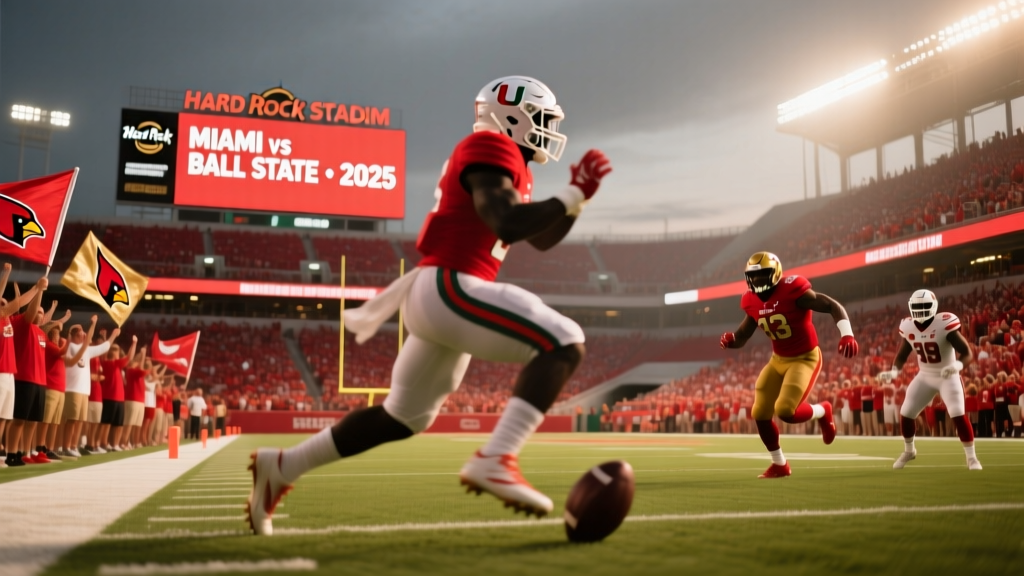 Where to Watch Miami vs Ball State Football 2025
 Where to Watch Colorado vs Baylor Football 2025
 Where to Buy NFL Football Jerseys | Top Authentic Sites
 Alabama Football Game Time This Saturday: Oct 18, 2025
 Drawing of a Football Field: Layout, Dimensions & Uses
 What Football Game Is On Right Now? Live Matches Today
 What Was the First NFL Football Team?
 Where Did Football Soccer Originate? The True History
 Who Is the Highest-Paid Football Player in 2025?