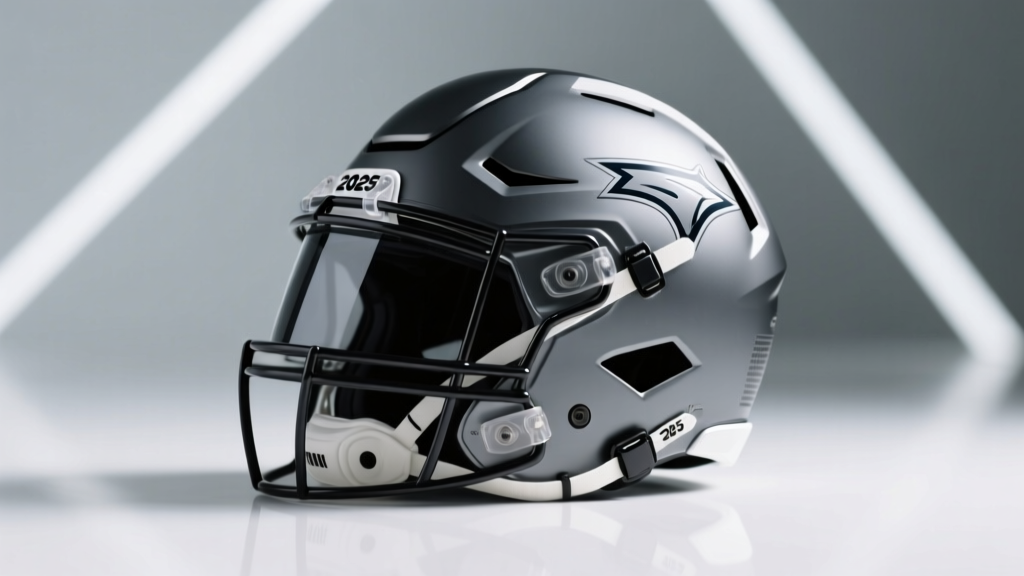
How Much Does a Football Helmet Cost? (2025 Prices)
Football helmet costs typically range from $120 to over $400, depending on brand, safety technology, league certification, and player level. Youth models are generally cheaper, while advanced adult and collegiate helmets with enhanced protection features command higher prices.
Factors That Influence Football Helmet Pricing
The price of a football helmet is determined by several key factors. Understanding these helps players, parents, and teams make informed purchasing decisions based on safety, fit, and performance needs.
Brand and Model
Premium brands like Riddell, Schutt, Xenith, and Vicis dominate the market, each offering multiple models tailored for different levels of play. High-end models incorporate advanced materials and engineering to improve impact absorption.
Safety Technology and Certification
- NOCSAE Certification: All legal helmets must meet NOCSAE standards, but some exceed them with added protection layers.
- Concussion Reduction Features: Helmets with MIPS-like systems or energy-dissipating liners cost more due to R&D investment.
- Vicis ZERO2 and Riddell SpeedFlex: These models scored highest in Virginia Tech’s helmet ratings and reflect premium pricing.
Player Level: Youth vs. High School vs. College/Pro
Youth helmets are lighter, smaller, and less complex, reducing manufacturing costs. Collegiate and professional-grade helmets use superior materials, customizable fit systems, and advanced shell designs, contributing to higher retail prices.
Retail vs. Team Purchasing
Individual consumers often pay full retail, whereas schools and teams may receive bulk discounts. Custom painting, decals, and team branding can add $50–$150 per helmet.
Price Comparison by Brand and Model (2025)
The following table outlines average retail prices for top football helmets across major brands, categorized by player level and safety rating where available.
| Model | Brand | Player Level | Average Price (USD) | Virginia Tech Rating |
|---|---|---|---|---|
| Riddell SpeedFlex SF-CL | Riddell | Adult/College | $399 | 5 Stars |
| Schutt F7 LTD | Schutt | High School+ | $379 | 5 Stars |
| Xenith X4E | Xenith | High School | $349 | 5 Stars |
| Vicis ZERO2 RIDE | Vicis | College/Pro | $430 | 5 Stars |
| Riddell Revolution Speed | Riddell | Youth | $249 | 4 Stars |
| Schutt Youth Recruit VTD | Schutt | Youth | $199 | 4 Stars |
| Xenith Youth X1 | Xenith | Youth | $179 | 3 Stars |
The data shows a clear correlation between price and safety performance, with all 5-star rated helmets priced above $349. The Vicis ZERO2 RIDE, despite being one of the most expensive, consistently ranks at the top for concussion mitigation. Youth models are significantly more affordable but still offer strong protection, especially in mid-tier options like the Schutt Youth Recruit VTD.
Additional Costs Beyond the Helmet
Buying a helmet isn’t just about the base price. Several additional expenses should be considered:
- Fitting Services: Professional fitting at specialty stores may cost $20–$50.
- Face Masks: Optional upgrades range from $30–$80 depending on position-specific design.
- Chin Straps: Replacement or upgraded straps cost $15–$30.
- Repainting/Refurbishing: Refurbished certified helmets cost 30–50% less than new ones but should be reconditioned by authorized centers.
- Reconditioning Fees: Annual reconditioning averages $60–$100 per helmet for cleaning, testing, and recertification.
Where to Buy Football Helmets
Helmets can be purchased through various channels:
- Official Brand Websites: Riddell, Schutt, and Xenith sell directly with warranty and support.
- Sports Retailers: Dick’s Sporting Goods, Academy Sports, and Scheels carry in-stock models.
- Team Distributors: Companies like BSN Sports offer bulk pricing for schools.
- Used Market: Platforms like SidelineSwap allow purchase of used helmets, but buyers must verify age (helmets older than 10 years shouldn’t be used) and reconditioning status.
How to Choose the Right Helmet for Your Needs
Selecting the right helmet involves more than budget. Consider these steps:
- Get Professionally Fitted: A proper fit prevents movement during impact.
- Check League Requirements: Some youth leagues require specific certifications.
- Review Safety Ratings: Refer to Virginia Tech’s independent helmet study.
- Consider Position: Linemen may prefer heavier, more protective models; skill positions favor lightweight designs.
- Budget for Longevity: Investing in a high-quality helmet can reduce injury risk and last multiple seasons with reconditioning.
Frequently Asked Questions About Football Helmet Costs
How much does a good football helmet cost?
A high-quality football helmet typically costs between $250 and $400. Models like the Riddell SpeedFlex or Schutt F7, which have earned 5-star safety ratings from Virginia Tech, fall within this range and are recommended for high school, college, and competitive play.
Are more expensive football helmets safer?
Generally, yes. Higher-priced helmets incorporate advanced impact-absorbing technologies, better materials, and superior design validated by independent testing. The Virginia Tech Helmet Ratings show a strong link between price and safety performance, with most 5-star helmets costing over $350.
Can I buy a used football helmet safely?
You can, but with caution. Only purchase used helmets that have been professionally reconditioned and recertified by an NOCSAE-approved facility. Avoid helmets over 10 years old, as materials degrade and safety standards evolve. Never use a helmet that has suffered a major impact.
Why do football helmets cost so much?
Football helmets are engineered for maximum protection using aerospace-grade materials, extensive R&D, and rigorous safety testing. Brands invest millions in concussion-reducing technology, and each model must pass NOCSAE certification. Limited production runs and customization also contribute to higher prices.
How often should football helmets be replaced?
Helmets should be replaced every 5–10 years depending on usage and condition. Annually reconditioned helmets can last longer, but any helmet showing cracks, worn padding, or failed certification should be retired immediately. Many leagues require recertification every year.
More Articles
 Who Is the Best Football Team? Real Madrid's Legacy
 Next Oregon Ducks Football Game: Date, Time, TV & Tickets
 Quarterback Roles in Football: Key Duties Explained
 When Are NCAA Football Playoffs: 2024-2025 Dates & Schedule
 How Many Players on a College Football Team?
 What Does Red Shirt Mean in Football? Explained
 What Channel Is Preseason Football On Tonight? (2025)
 Where Does UCLA Play Football? Home Stadium Info
 Clemson Football Ranking 2025: Current AP & Coaches Poll
 Houston Texans Game Time Today: Kickoff Schedule 2024