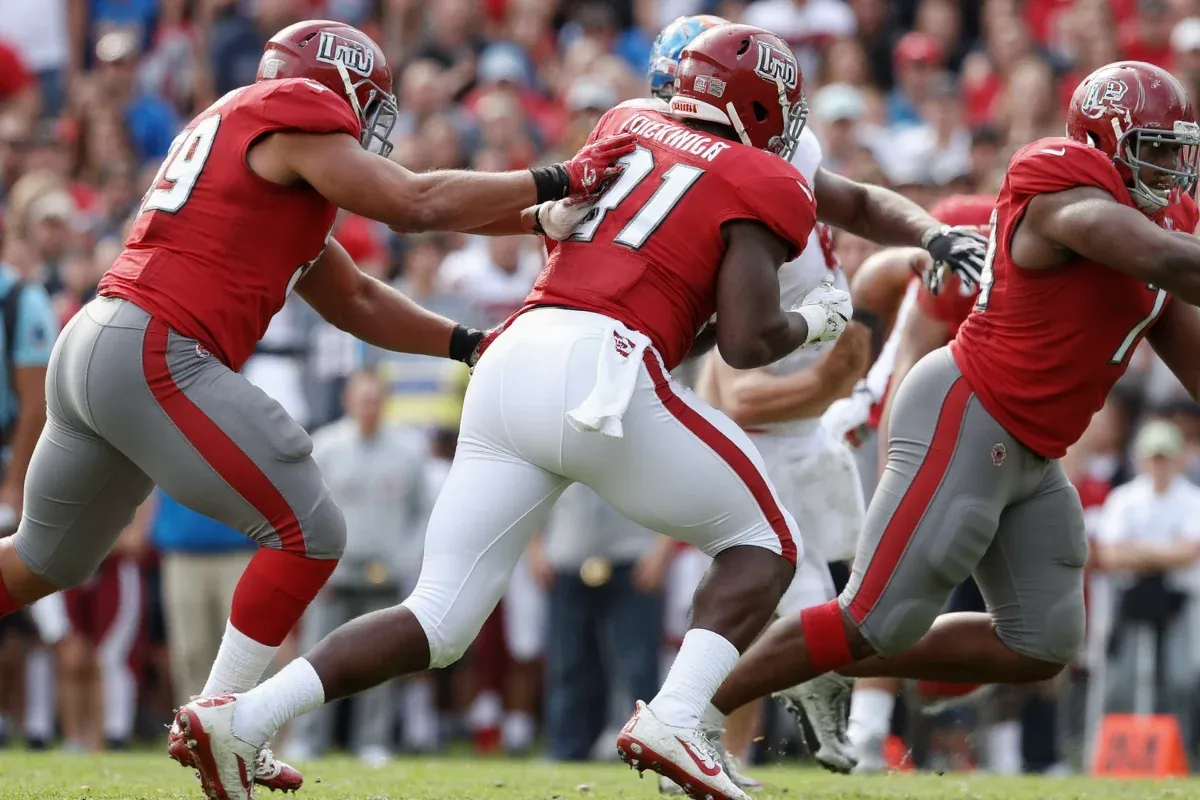
How Much Do College Football Players Make in 2025?
College football players do not earn a salary from their schools, but since 2021, they can earn significant income through name, image, and likeness (NIL) deals, with top athletes making millions.
Understanding College Football Player Earnings
Prior to 2021, college football players were prohibited from earning money while playing for NCAA programs. However, a landmark policy change now allows student-athletes to profit from their name, image, and likeness (NIL), transforming the financial landscape of collegiate sports.
This shift means that while players are not paid salaries by universities or athletic departments, they can sign endorsement deals, promote brands on social media, appear at events, and sell merchandise—generating substantial personal income.
How NIL Changed College Athlete Compensation
The NCAA's interim NIL policy, adopted in July 2021, permits student-athletes to monetize their personal brand. This decision followed legal pressure and state legislation allowing athletes to profit without losing eligibility.
- Athletes can partner with brands for sponsorships
- Social media promotion is a major income source
- Local businesses often sponsor players in exchange for appearances
- Some schools have established NIL collectives to support athletes
Key Factors Influencing NIL Earnings
Not all players earn equally. Several factors determine how much an athlete can make:
- Position: Quarterbacks and star skill-position players typically earn more.
- School Prestige: Players at Power Five conference schools receive more attention and opportunities.
- Social Media Following: Athletes with large online audiences attract higher-paying deals.
- Performance: On-field success increases visibility and marketability.
- Market Size: Schools in large media markets offer greater exposure.
Real NIL Earnings: Data from Top College Football Players
| Athlete | School | Year | Estimated NIL Value | Primary Income Source |
|---|---|---|---|---|
| Arch Manning | University of Texas | 2024 | $1,500,000 | Social media, apparel, autographs |
| Dillon Gabriel | University of Oregon | 2024 | $950,000 | Endorsements, public appearances |
| Travis Hunter | University of Colorado | 2024 | $850,000 | Apparel, NIL collective, media |
| Quinn Ewers | University of Texas | 2023 | $750,000 | Video game appearances, autograph signings |
| Jalin Walker | University of Georgia | 2023 | $500,000 | Sports drink endorsements, local promotions |
The table shows that elite recruits and high-performing quarterbacks command the highest NIL valuations. Arch Manning’s $1.5 million valuation reflects his legacy, media presence, and marketability. Even non-quarterbacks like Travis Hunter, a two-way player, achieve seven-figure status due to national exposure.
There is a growing disparity between top-tier athletes and average players—many earn under $10,000 annually, highlighting that only a fraction benefit significantly from NIL rights.
Are College Football Players Paid by Their Schools?
No, colleges do not pay football players as employees. The NCAA still considers them amateur athletes. However, full-ride scholarships cover tuition, room, board, books, and sometimes living expenses—valued at over $60,000 per year at some schools.
In addition, recent legislative proposals and ongoing lawsuits may lead to direct athlete compensation in the future, potentially reclassifying players as university employees.
Frequently Asked Questions About College Football Player Earnings
Do college football players get paid a salary?
No, college football players do not receive a salary from their schools. They maintain amateur status under NCAA rules, but they can earn money through name, image, and likeness (NIL) deals with brands and sponsors.
How much can a college football player make from NIL?
Earnings vary widely. Top players like Arch Manning earn over $1 million annually, while most players make between $1,000 and $10,000. Some earn nothing, depending on visibility and marketability.
Can walk-on college football players earn NIL money?
Yes, walk-ons can earn NIL income if they build a personal brand. While less common due to lower visibility, social media presence or local business partnerships can generate earnings.
Do college football players pay taxes on NIL income?
Yes, NIL earnings are considered taxable income. Athletes must report this revenue to the IRS and may need to hire accountants or agents to manage contracts and tax obligations.
Will college football players be paid directly in the future?
Possible. Multiple states and federal lawmakers are considering legislation to allow direct athlete compensation. Additionally, unionization efforts and court rulings could redefine athlete employment status within the next few years.
More Articles
 Did Mike McDaniel Play Football? College & NFL Facts
 Did Sean McVay Play Football? Facts & Career Details
 Which Country Invented Football (Soccer)?
 Worst NFL Team in History: 2008 Detroit Lions
 How Many Weeks in Fantasy Football? Full Season Breakdown
 Where Do the Navy Midshipmen Play Football?
 How Many College Football Teams Are There in 2025?
 Watch Arkansas vs Texas Football 2025: TV Channel & Stream
 Who Owns Real Madrid? The Member-Owned Model Explained
 How To Choose Rules: A Football Expert’s Practical Framework for Referees, Coaches, and League Administrators