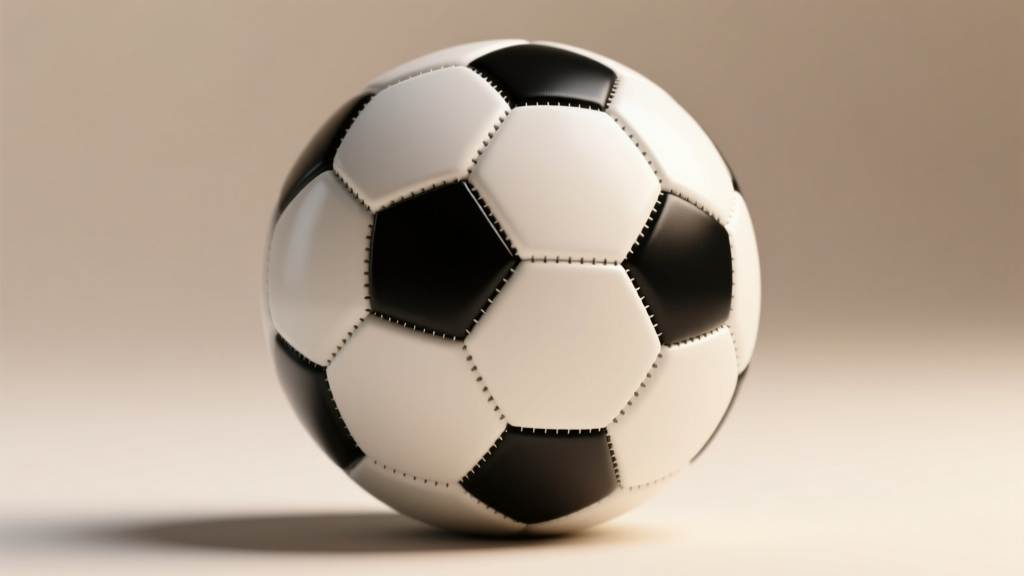
How Many Stitches on a Football? Full Breakdown
There are typically 32 leather panels stitched together with approximately 208 stitches on a standard adult football (size 5), using 8 yards (7.3 meters) of waxed thread to ensure durability and water resistance.
Understanding Football Construction: Panels, Stitching, and Design
The number of stitches on a football is directly tied to its construction method, panel design, and intended use. While the exact stitch count can vary slightly based on brand and manufacturing technique, most regulation-size footballs follow standardized patterns for performance and consistency.
How Stitches Are Counted on a Football
Stitching on a football refers not to individual thread loops but rather to the seams connecting the synthetic or leather panels. Each seam is made up of multiple stitches per inch, usually between 8 to 10 stitches per inch, depending on FIFA or league standards.
- A traditional 32-panel ball consists of 12 pentagons and 20 hexagons.
- Each panel edge is stitched to another, forming continuous seams around the ball.
- The total number of hand or machine stitches adds up to roughly 200–220 across all seams.
- The thread used is typically polyester or cotton, heavily waxed to prevent water absorption.
Different Football Types and Their Stitching Patterns
Not all footballs have the same stitching configuration. The type of ball—match-grade, training, indoor, or recreational—affects how it's stitched and assembled.
Hand-Sewn vs. Machine-Sewn vs. Thermal Bonding
Three primary methods are used in modern football manufacturing:
- Hand-stitched: Highest quality, used in professional matches; ensures better water resistance and shape retention.
- Machine-stitched: Common in training balls; durable but less consistent than hand-stitching.
- Thermally bonded: No external stitches; panels are glued and fused with heat—common in modern match balls like Adidas Telstar.
| Ball Type | Panel Count | Stitching Method | Approximate Stitch Count | Thread Length (yards) | Used In |
|---|---|---|---|---|---|
| Traditional 32-Panel | 32 | Hand-stitched | 208 | 8 | FIFA Matches (pre-2000s) |
| Adidas Jabulani (2010 WC) | 8 | Thermal Bonding | 0 | 0 | World Cup Match |
| Adidas Telstar 18 (2018 WC) | 6 | Thermal Bonding | 0 | 0 | World Cup Match |
| Nike Flight Premier | 20 | Machine-Stitched | 180 | 6.5 | Training & Amateur Play |
| Recreational Size 5 Ball | 32 | Machine-Stitched | 160–190 | 5–7 | Schools, Parks |
The data shows a clear trend: as panel count decreases due to technological advancements, traditional stitching is being replaced by seamless thermal bonding in elite match balls. However, stitched balls remain dominant in amateur and youth leagues due to cost and repairability.
Despite fewer physical stitches in modern designs, performance metrics such as aerodynamics, grip, and touch have improved significantly through materials science and engineering.
Frequently Asked Questions About Football Stitches
How many panels are on a standard football?
A traditional soccer ball has 32 panels—12 black pentagons and 20 white hexagons—arranged in a truncated icosahedron pattern. Modern designs may use as few as 6 panels through thermal bonding technology.
Are all footballs stitched the same way?
No. High-end match balls often use thermal bonding with no external stitching, while training and recreational balls may be machine- or hand-stitched. Hand-stitched balls offer superior durability and feel but are more expensive.
Why do some footballs have no visible stitches?
Modern match balls like those used in the FIFA World Cup use thermal bonding instead of stitching. This creates a smoother surface, improving flight stability, water resistance, and touch.
What kind of thread is used in football stitching?
Waxed polyester or cotton thread is commonly used. Wax makes the thread water-resistant and stronger, helping maintain ball integrity during wet conditions and heavy use.
Does stitch count affect football performance?
Yes. Higher stitch density (stitches per inch) improves shape retention and durability. Poorly stitched balls deform faster and absorb water, affecting weight and bounce consistency during play.
More Articles
 How Many Footballs Are Used in the Super Bowl?
 What Does ATH Mean in Football? Explained
 How Much Did Amazon Pay for Thursday Night Football?
 Monday Night Football Commentators 2026 | ESPN Team
 Football Field Size: Dimensions by Sport (2025)
 How Many Downs in Football? 4 Key Facts Explained
 Who Is the Highest-Paid Football Player in 2025?
 How Many Teams in College Football 2025? Full FBS Breakdown
 Who Has the Biggest NFL Football Stadium?
 Watch Football Today: Live Streams & TV Schedule