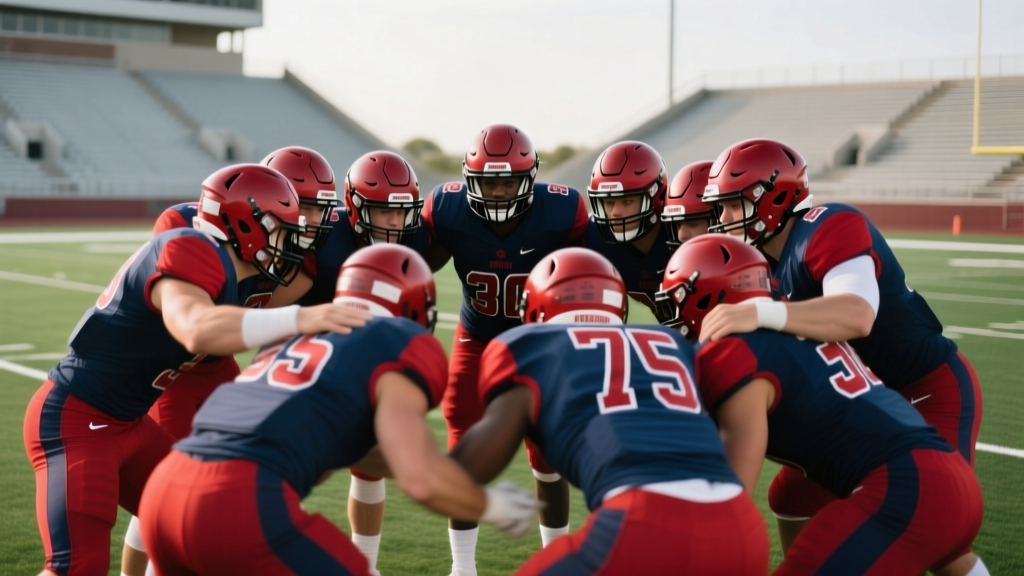
How Many Players on a College Football Team?
There are typically around 105 to 125 players on a college football team, including both scholarship and walk-on athletes across various positions and depth charts.
Understanding College Football Team Roster Sizes
College football teams in the NCAA operate under strict roster regulations that vary slightly depending on the division and scholarship limits. While the exact number of players can fluctuate from season to season, most FBS (Football Bowl Subdivision) programs maintain rosters between 105 and 125 players. This includes scholarship athletes, preferred walk-ons, and sometimes medical or academic redshirts.
Why Are Rosters This Large?
- Injury Management: Football is a high-impact sport; large rosters ensure depth during injuries.
- Positional Depth: Teams need backups at every position to maintain performance. \li>Redshirting: Younger players often redshirt to develop without using eligibility.
- Special Teams: Separate units for kicking, punting, and returns require additional specialists.
NCAA Scholarship Limits by Division
The NCAA sets maximum scholarship limits, which influence overall roster composition. However, total roster size often exceeds scholarship numbers due to walk-on players.
| Division | Scholarship Limit | Average Total Roster Size | Common Walk-On Count |
|---|---|---|---|
| FBS (Division I-A) | 85 | 105–125 | 20–40 |
| FCS (Division I-AA) | 63 (equivalency) | 85–100 | 15–25 |
| Division II | 36 (equivalency) | 70–90 | 10–20 |
| Division III | 0 | 60–80 | All players are walk-ons |
| NAIA | 24 (equivalency) | 70–90 | Variable |
The data shows that while FBS teams are limited to 85 full scholarships, they commonly carry over 100 players, meaning many athletes receive partial aid or no athletic scholarship at all. Division III programs, which do not offer athletic scholarships, still maintain competitive rosters through academic funding and student interest.
Roster Composition and Position Groups
A typical FBS college football team divides its roster into several key units:
Offensive Unit Breakdown
- Quarterbacks (2–4)
- Running Backs (5–8)
- Wide Receivers (8–12)
- Tight Ends (4–6)
- Offensive Line (10–15)
Defensive Unit Breakdown
- Defensive Linemen (8–12)
- Linebackers (8–10)
- Cornerbacks (8–10)
- Safeties (6–8)
Special Teams Contributors
- Kickers (1–2)
- Punters (1–2)
- Long Snappers (1–2)
- Return Specialists (often shared with WR/RB roles)
Many players serve multiple roles, especially on special teams, increasing functional roster efficiency.
Factors Influencing Roster Size
Several variables affect how many players a college football program carries:
- Coaching Philosophy: Some coaches prefer larger rosters for competition; others streamline for discipline.
- Budget and Facilities: Larger programs with better resources can support bigger squads.
- Recruiting Class Size: Annual signees (typically 20–25) impact total count.
- Transfer Portal Usage: Increased transfers can expand rosters beyond traditional limits.
- Medical Redshirts: Injured players may retain eligibility while occupying roster spots.
Frequently Asked Questions About College Football Team Size
How many players are on a college football team during a game?
While rosters may have over 100 players, only 60–80 are typically active and eligible to play in a single game, depending on the team’s policies and NCAA rules.
Do all college football players receive scholarships?
No. Only FBS and FCS programs offer athletic scholarships, and even then, many players—especially walk-ons—are not fully funded. Division III schools do not offer athletic scholarships at all.
What is the maximum number of scholarship players allowed in FBS?
The NCAA limits FBS teams to 85 full athletic scholarships for football. These are typically distributed across the roster, often as full rides.
Can college football teams exceed the 85-scholarship limit?
No, FBS teams cannot exceed 85 scholarship players. However, they can carry many more non-scholarship athletes, leading to total rosters exceeding 120 players.
How does the transfer portal affect team roster sizes?
The transfer portal has increased roster flexibility, allowing teams to add experienced players mid-cycle. Some programs temporarily exceed typical sizes before capping out at scholarship limits.
More Articles
 What Time Is Football? Global Kickoff Schedules Explained
 How Many Players in the NFL? 2025 Roster Breakdown
 Who Won Olympic Football 2024? France & Spain Claim Gold
 How Big Is a Football Field in Meters?
 What Does a Sack Mean in Football? Explained
 Who Won the First World Cup Football Tournament?
 Where Does Army Football Team Play? Home Stadium Info
 Where Does Sam Hartman Play Football? Current Team 2025
 What Does OTA Stand For in Football? Explained
 How College Football Overtime Works Explained