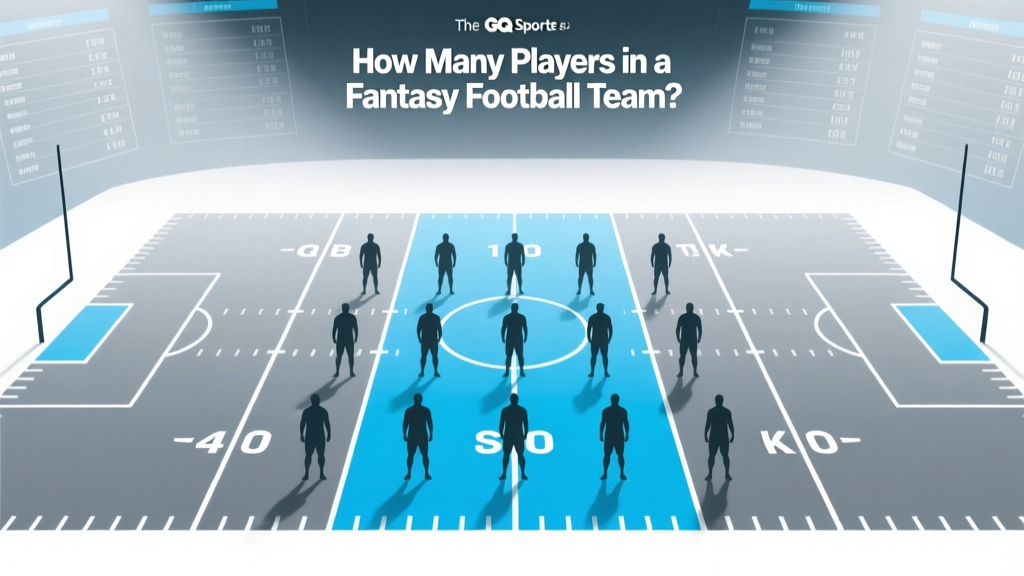
How Many Players in a Fantasy Football Team?
In fantasy football, a standard team typically consists of 16 players, including 9 starters and 7 bench players, depending on league settings.
Understanding Fantasy Football Team Roster Size
Fantasy football is a virtual game where participants build imaginary teams composed of real NFL players. The number of players on a fantasy team can vary based on league rules, but most platforms like ESPN, Yahoo, and NFL.com follow a standardized roster format.
The default roster size in most traditional leagues is 16 players per team, allowing managers to strategically allocate starters and backups across key positions.
Why Roster Size Matters
- Determines depth and flexibility during injuries or bye weeks
- Impacts trade and waiver wire strategies
- Varies by platform and custom league rules
- Affects weekly lineup decisions and long-term planning
Standard Fantasy Football Roster Breakdown
Most redraft leagues use a consistent structure for the 16-player roster. Below is the typical starting lineup and bench composition:
| Position | Starters | Bench Spots | Total Players |
|---|---|---|---|
| Quarterback (QB) | 1 | 1-2 | 2-3 |
| Running Back (RB) | 2 | 2-3 | 4-5 |
| Wide Receiver (WR) | 2 | 2-3 | 4-5 |
| Tight End (TE) | 1 | 1-2 | 2-3 |
| Flex (RB/WR/TE) | 1 | 0 | 1 |
| Defense/Special Teams (D/ST) | 1 | 0-1 | 1-2 |
| Kicker (K) | 1 | 0-1 | 1-2 |
| Total | 9 | 7 | 16 |
The table shows that while 9 players start each week, the remaining 7 act as reserves. This balance allows for injury coverage and strategic depth. Platforms like ESPN and Yahoo default to this 16-player model, though commissioner-controlled leagues may adjust sizes.
Roster limits help maintain competitive balance and prevent stacking too many high-performing players, ensuring fairness across the league.
Variations Across Platforms and League Types
While 16 is standard, different formats alter player counts:
Redraft Leagues
Most common format; resets rosters annually. Typically uses 16-player rosters with 9 starters.
Dynasty Leagues
Teams retain players across seasons. Rosters often expand to 25–30 players to account for long-term development and depth.
Superflex Leagues
Allows an extra quarterback in the flex spot. Often increases QB depth, leading to rosters of 18–20 players.
Best Ball Leagues
No weekly management; algorithms pick best performers. Usually stick to 16-player rosters but may allow deeper benches.
How Starters and Bench Players Work
Each week, managers must set a starting lineup from their full roster. Only starters earn points.
- Starters (9): QB, RB, RB, WR, WR, TE, Flex, D/ST, K
- Bench (7): Backup QB, RB, WR, TE, K, D/ST, and developmental players
Bench players are crucial during injuries, byes, or poor matchups. Smart managers use them to rotate based on performance trends and schedule strength.
Custom League Settings and Roster Adjustments
League commissioners can modify roster sizes. Common variations include:
- Smaller leagues: 12–14 total players
- Larger leagues: Up to 20 players for added depth
- Tighter rosters: As low as 10 players in fast-paced formats
These changes affect how aggressively owners must monitor waivers and manage trades throughout the season.
Frequently Asked Questions About Fantasy Football Team Size
How many players are on a standard fantasy football team?
Most fantasy football teams have 16 players: 9 starters and 7 bench players. This format is used by major platforms like ESPN, Yahoo, and NFL.com in traditional redraft leagues.
Can fantasy football teams have more than 16 players?
Yes. In dynasty or superflex leagues, rosters often expand to 25–30 players to accommodate long-term player development and deeper position stacks, especially at quarterback.
How many starting players are there in fantasy football?
There are 9 starting players: 1 QB, 2 RBs, 2 WRs, 1 TE, 1 Flex (RB/WR/TE), 1 D/ST, and 1 K. The exact configuration may vary slightly depending on league settings.
Does every fantasy football league use the same roster size?
No. While 16-player rosters are standard, league commissioners can customize sizes. Some leagues use 14 or 18-player rosters based on preferences for depth and competition balance.
How does roster size impact fantasy football strategy?
Larger rosters allow for greater depth and risk mitigation during injuries. Smaller rosters require more precise player selection and aggressive waiver wire usage. Roster size directly influences drafting, trading, and weekly lineup decisions.
More Articles
 How Long Is a Football Field? Exact Measurements
 Who Owns Liverpool Football Club? FSG Ownership Explained
 When Does Football Start in 2025? Key Dates by League
 When Was Real Madrid Founded? History & Facts
 How Long Do Football Games Last on TV? Full Breakdown
 Pro Football Games Today: Full NFL Schedule for Oct 25, 2025
 What Does 'Rec' Mean in Football? Explained
 Who Is the Richest Footballer in the World in 2025?
 When Does Football Season End? 2025 Dates by League
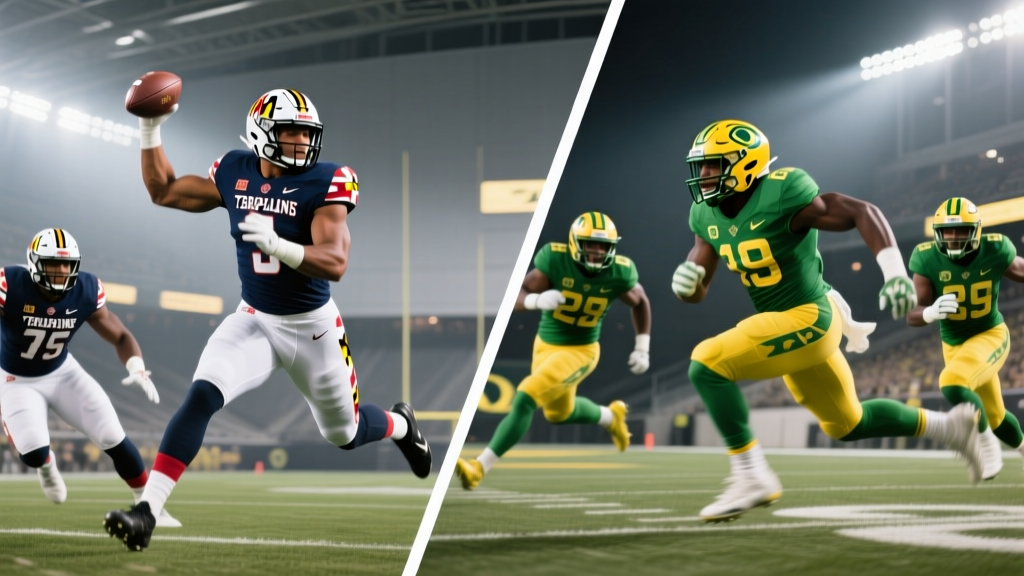 Watch Maryland vs Oregon Football 2025: TV & Stream Guide