
Football Cleats Buying Guide (2026)
Understanding Cleat Types
Football cleats come in three main categories, each designed for specific field conditions and playing styles.
Molded Cleats
Feature permanently attached rubber or plastic studs. They're durable, affordable, and work well on natural grass and artificial turf. Ideal for youth players and casual athletes.
Detachable Cleats
Allow you to swap studs based on field conditions. Longer studs for wet, muddy fields; shorter for dry, hard surfaces. Preferred by competitive players who face varying conditions.
Turf Shoes
Feature dozens of small rubber nubs instead of traditional studs. Designed specifically for artificial turf and indoor surfaces. They provide excellent grip without damaging the playing surface.
Position-Specific Recommendations
- Wide Receivers/DBs: Lightweight speed cleats with aggressive stud patterns for quick cuts. Look for models under 10 oz.
- Linemen: Heavy-duty cleats with maximum ankle support and wider bases. High-top designs are standard.
- Quarterbacks: Mid-cut cleats balancing mobility and stability. Good traction for pocket movement and dropbacks.
- Kickers/Punters: Flat-soled kicking shoes with a smooth striking surface. Often worn one size smaller for better ball feel.
Material Matters
Synthetic uppers are lighter and more water-resistant but may not mold to your foot as well as genuine leather. Premium kangaroo leather offers the best touch and comfort but at a higher price point. For most players, modern synthetic blends offer the best balance of performance and durability.
Fit and Sizing Tips
Try cleats on with the socks you'll wear during games. Your toes should barely touch the front of the shoe when standing. Walk and jog around the store to check for heel slippage — any movement means the fit is wrong.
More Articles
 Match Premium Football Gear With Beginners
 Where Do the Patriots Play Football? Gillette Stadium Guide
 How Many Overtimes in College Football?
 Where Did Football Start? The True Origin Explained
 Who Plays Football at 1:00 Today? Schedule & Matchups
 Where to Watch Football Tonight: Live Streams & TV Guide
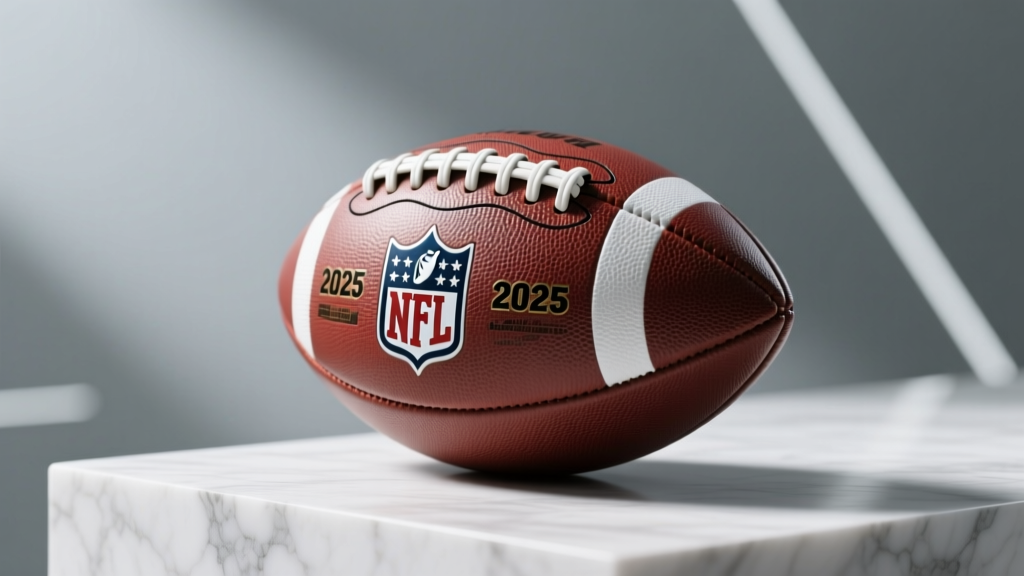 How Much Does an NFL Football Cost? (2025 Prices)
 How Many Countries Play American Football? (2025 Data)
 Who Is Playing NFL Football on Christmas Day 2025?
 How Big Is a Football Field? Full Dimensions Explained