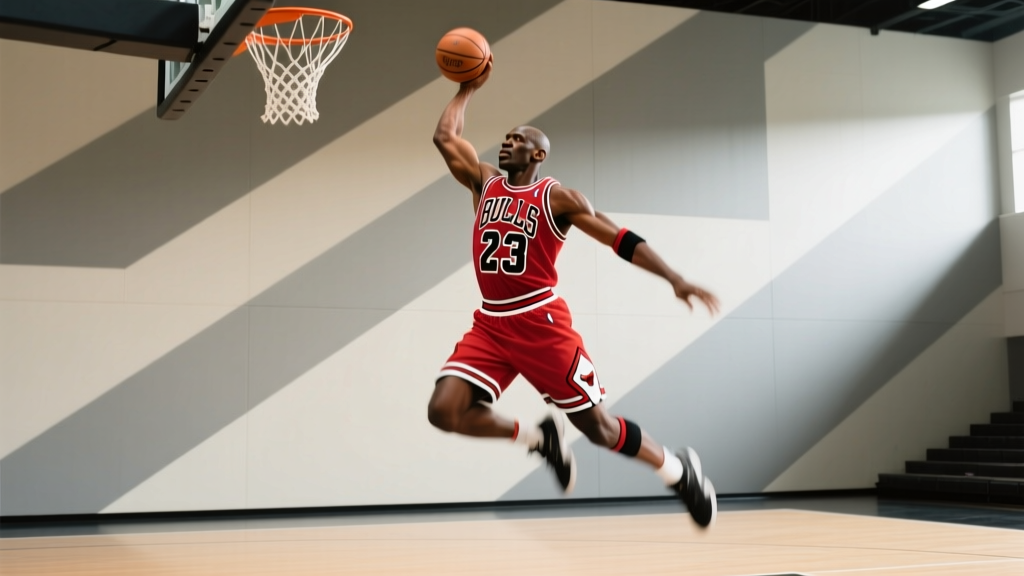
What Position Did Michael Jordan Play in Basketball?
Michael Jordan played the shooting guard position throughout his legendary NBA career, primarily with the Chicago Bulls.
Michael Jordan's Primary Position: Shooting Guard
Michael Jordan is widely regarded as the greatest shooting guard in basketball history. He spent the majority of his career playing this position for the Chicago Bulls in the National Basketball Association (NBA). Known for his scoring ability, defensive prowess, and clutch performances, Jordan defined the role of the modern shooting guard.
Why Shooting Guard Was the Perfect Fit
- Elite scoring capability from all areas of the court
- Exceptional ball-handling and footwork
- Strong perimeter defense against opposing guards
- Ability to create his own shot under pressure
- Leadership and playmaking despite not being the primary point guard
While Jordan occasionally handled the ball like a point guard and even played small forward in certain lineups, his size, skill set, and responsibilities aligned most closely with the shooting guard role.
Jordan’s Career Overview and Achievements
Drafted third overall by the Chicago Bulls in 1984, Jordan quickly established himself as a dominant force in the league. Over 15 seasons (with brief retirements), he redefined what it meant to be a shooting guard through relentless work ethic and competitive fire.
Key Career Highlights
- 6× NBA Champion (1991–1993, 1996–1998)
- 6× NBA Finals MVP
- 5× NBA Most Valuable Player (MVP)
- 14× NBA All-Star
- 10× NBA scoring champion
- NBA Defensive Player of the Year (1988)
- Inducted into the Naismith Memorial Basketball Hall of Fame in 2009
| Career Statistic | Regular Season | Playoffs |
|---|---|---|
| Points Per Game | 30.1 | 33.4 |
| Field Goal % | 49.7% | 48.7% |
| Free Throw % | 83.5% | 82.8% |
| Rebounds Per Game | 6.2 | 6.4 |
| Assists Per Game | 5.3 | 5.7 |
| Steals Per Game | 2.3 | 2.1 |
The data shows that Michael Jordan maintained elite scoring efficiency throughout his career, averaging 30.1 points per game in the regular season—the highest in NBA history. His playoff numbers actually improved, particularly in scoring, demonstrating his ability to elevate his game in high-pressure situations.
Versatility Across Positions
Although classified as a shooting guard, Jordan’s versatility allowed him to function effectively in multiple roles:
Small Forward Appearances
During lineup adjustments or when matched up against taller opponents, Jordan would slide to the small forward spot. This was especially common during the Bulls' second three-peat (1996–1998), where Scottie Pippen often initiated plays, allowing Jordan to operate off-ball more frequently.
Ball Handling Responsibilities
Despite not being the official point guard, Jordan averaged over 5 assists per game for his career and often led the team in usage rate. His ability to control tempo and make decisions under pressure blurred positional lines—a precursor to today’s positionless basketball era.
Frequently Asked Questions About Michael Jordan’s Position
What position did Michael Jordan play in basketball?
Michael Jordan primarily played shooting guard for the Chicago Bulls during his NBA career. This position best suited his scoring focus, defensive assignments, and offensive role.
Did Michael Jordan ever play point guard?
While Jordan was not an official point guard, he frequently initiated plays and averaged 5.3 assists per game over his career. His high basketball IQ and ball-handling skills allowed him to function as a de facto playmaker without holding the formal title.
Could Michael Jordan have played small forward?
Yes, due to his athleticism, size (6'6"), and defensive versatility, Jordan could effectively play small forward. The Bulls occasionally used him in this role, especially during later championship runs when matchups dictated strategic shifts.
Why is Michael Jordan considered the best shooting guard ever?
Jordan holds the record for highest career points per game (30.1), won six NBA titles, five MVPs, and ten scoring titles—all while playing shooting guard. His combination of offense, defense, leadership, and performance in clutch moments sets him apart from peers like Kobe Bryant and Dwyane Wade.
How did Michael Jordan’s position influence modern NBA players?
Jordan revolutionized the shooting guard position by combining scoring volume with elite defense and leadership. Modern stars such as James Harden, Devin Booker, and Zach LaVine model aspects of their games after Jordan’s scoring techniques, footwork, and mid-range mastery.
More Articles
 Career Football Essentials: Gear, Training, and Longevity Strategies for Professional Players
 Warriors Win Last Night: GSW vs Lakers Final Score
 What NBA Games Are On Tonight? Full Schedule & How to Watch
 How Many Dribbles for an Assist in Basketball?
 Who Is Playing Today in Basketball? NBA Schedule & Matchups
 How Many Players on a Basketball Team? Full Breakdown
 What Does PRA Mean in Basketball? Explained
 A JA Wilson Basketball Shoes: 2025 Review & Performance
 NBA Teams Playing Tonight: Full Schedule & Matchups
 How Much Does It Cost to Build a Basketball Court?