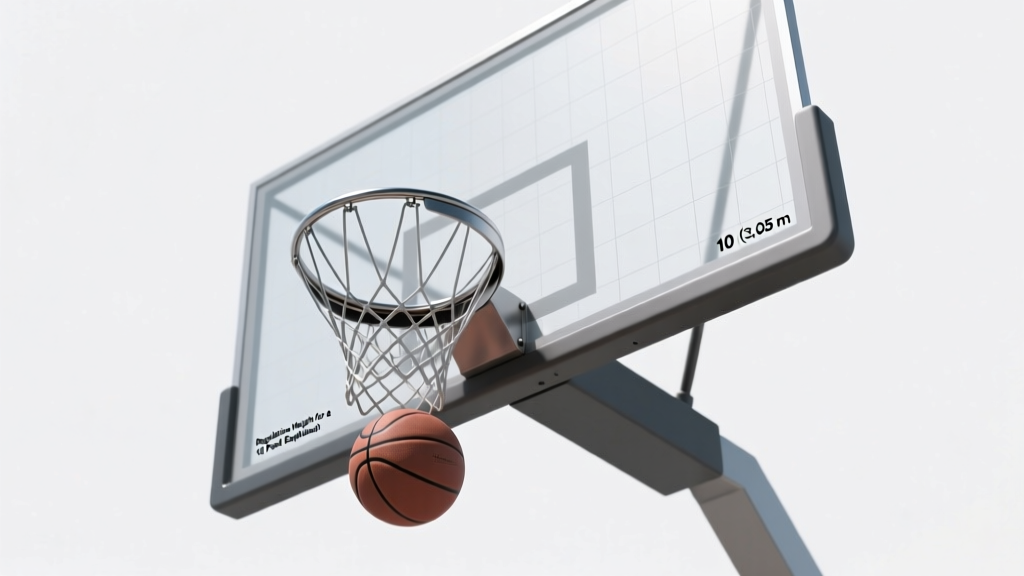
Regulation Height for a Basketball Hoop: 10 Feet Explained
The regulation height for a basketball hoop is 10 feet (3.05 meters) above the ground, a standard used universally across professional, collegiate, high school, and most youth leagues worldwide.
Understanding the Standard Regulation Height
The official height of a basketball rim is set at 10 feet (120 inches or 3.05 meters) from the playing surface to the top of the rim. This measurement has remained consistent since the invention of basketball by Dr. James Naismith in 1891, when peach baskets were nailed to a balcony railing at Springfield College.
Why 10 Feet?
- The original game was played using a ladder and a peach basket mounted 10 feet high.
- No scientific reason exists for this exact height—it was simply the height of the running track balcony.
- Despite changes in athleticism over time, the standard has been preserved for consistency and fairness.
Basketball Hoop Heights Across Different Levels
While 10 feet is the universal standard for adults, younger players often use adjustable rims to accommodate skill development.
| Level | Regulation Height (feet) | Regulation Height (meters) | Average Player Height (inches) | Governing Body |
|---|---|---|---|---|
| NBA | 10 | 3.05 | 79.6 | NBA |
| NCAA Men | 10 | 3.05 | 78.5 | NCAA |
| NCAA Women | 10 | 3.05 | 71.2 | NCAA |
| High School (NFHS) | 10 | 3.05 | 74.0 | NFHS |
| FIBA | 10 | 3.05 | 78.0 | FIBA |
| Junior High (Ages 11–13) | 9–10 | 2.74–3.05 | 65.5 | AAU/YMCA |
| Youth (Ages 8–10) | 8–9 | 2.44–2.74 | 56.0 | Youth Leagues |
The data shows that elite levels uniformly adhere to the 10-foot standard, while youth categories progressively lower the rim to support age-appropriate skill development. Lowering the hoop enhances shooting form, confidence, and motor learning in young athletes.
Variations for Youth and Developmental Play
Adjustable hoops are essential in youth programs. The following guidelines help coaches and parents choose appropriate heights:
- Ages 5–7: 6 to 8 feet – encourages proper shooting arc and reduces frustration.
- Ages 8–10: 8 to 9 feet – bridges the gap toward full regulation height.
- Ages 11–13: 9 to 10 feet – prepares players for high school competition.
- Middle School and Above: 10 feet required in all sanctioned competitions.
How to Measure Basketball Rim Height Accurately
Ensuring correct rim height is critical for fair play and player development. Follow these steps:
- Use a measuring tape or laser level for precision.
- Measure from the ground directly beneath the rim to the top inside edge of the metal ring.
- Verify both sides of the rim are at equal height to prevent uneven play.
- Check backboard alignment and stability as part of installation.
Portable hoops should be rechecked regularly due to potential shifting on outdoor surfaces.
Common Questions About Basketball Hoop Height
Is the basketball hoop height different for women’s games?
No, the regulation height for women’s basketball at the NCAA, WNBA, and FIBA levels is the same as for men—10 feet (3.05 meters). The rim height does not differ based on gender.
Why hasn’t the NBA increased the rim height despite taller players?
Although NBA players are taller and more athletic today, increasing the rim height would fundamentally alter the game’s history and balance. The 10-foot standard preserves continuity, court dimensions, and historical performance comparisons.
Can I adjust my home basketball hoop height?
Yes, most residential and portable basketball systems are adjustable, typically ranging from 7.5 to 10 feet. This allows customization for children, training drills, or accessibility needs.
What is the recommended hoop height for 4th grade?
For 4th graders (ages 9–10), the recommended height is 8 to 9 feet. Many youth leagues use 8-foot rims for younger divisions and increase to 9 or 10 feet as players grow.
Are there international differences in basketball rim height?
No, FIBA (International Basketball Federation) uses the same 10-foot (3.05-meter) standard as the NBA and NCAA. The regulation is consistent globally for all official competitions.
More Articles
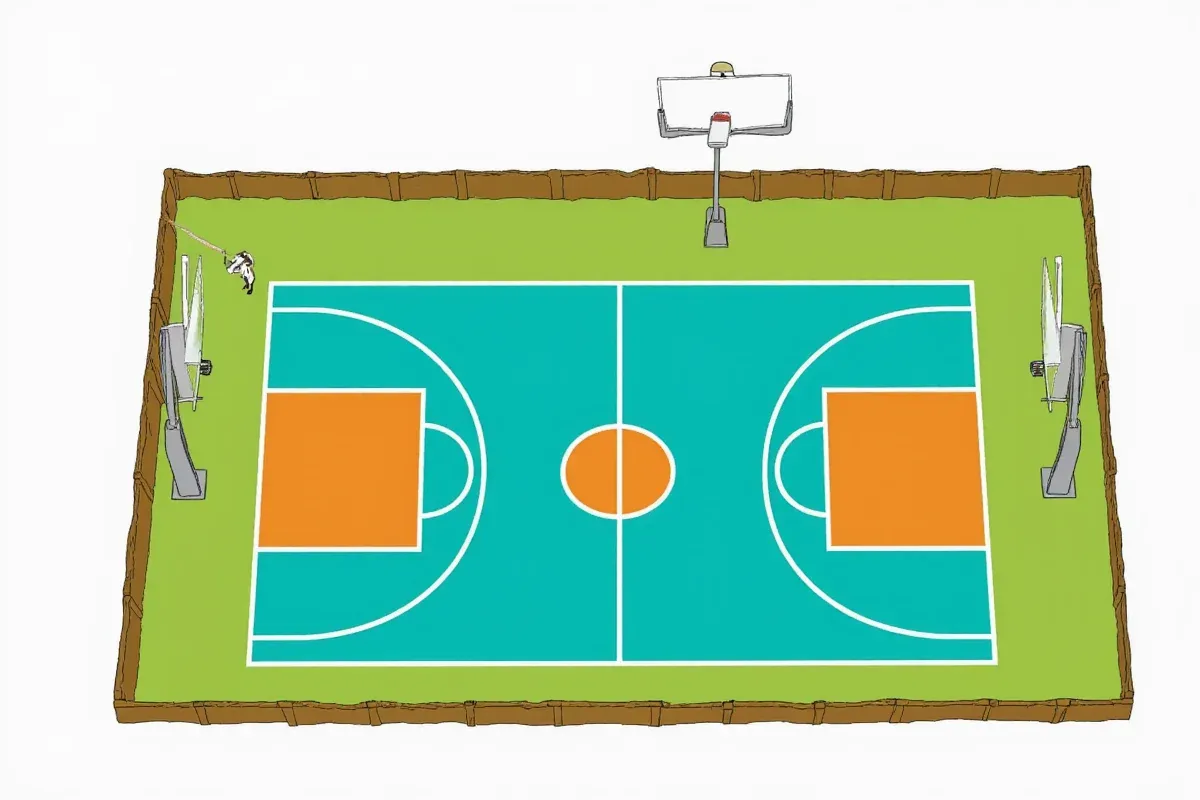 Basketball Court Dimensions: NBA, NCAA, FIBA, High School
 Who Leads College Basketball in Scoring Now?
 What Time Is Basketball Today? NBA Game Schedule 2025
 How Many NBA Teams Are There in 2025? Full List & Breakdown
 Basketball Equipment Care: Pro Maintenance Protocol
 Best Gear Games: Pro Basketball Training Tools
 Basketball Backboard Materials Compared
 Can Playing Basketball Make You Taller? Science-Based Answer
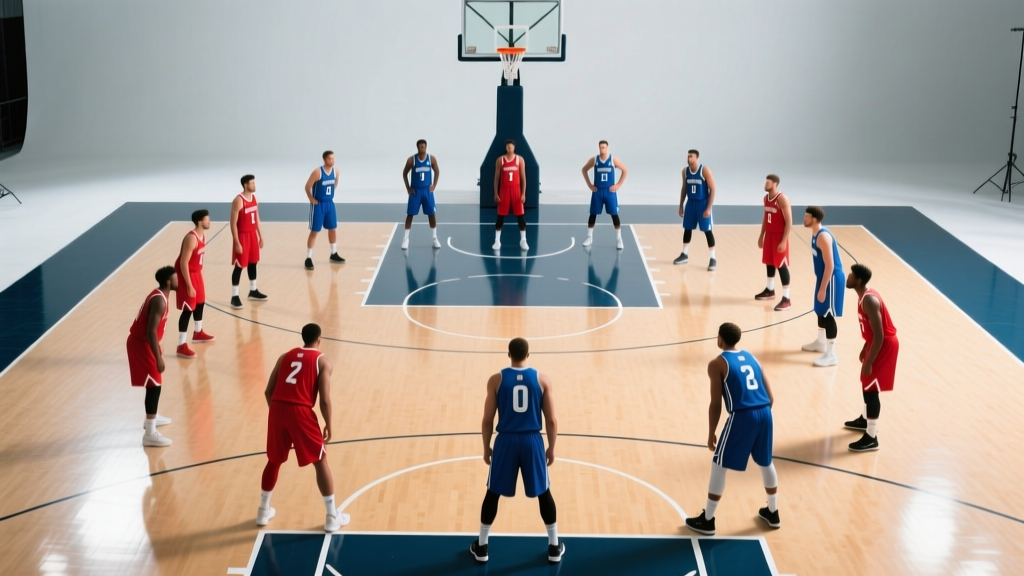 How Many People on a Basketball Court? 10 Players Explained
 What Position Does LeBron James Play in Basketball?