How Many Steps Is a Travel in Basketball?
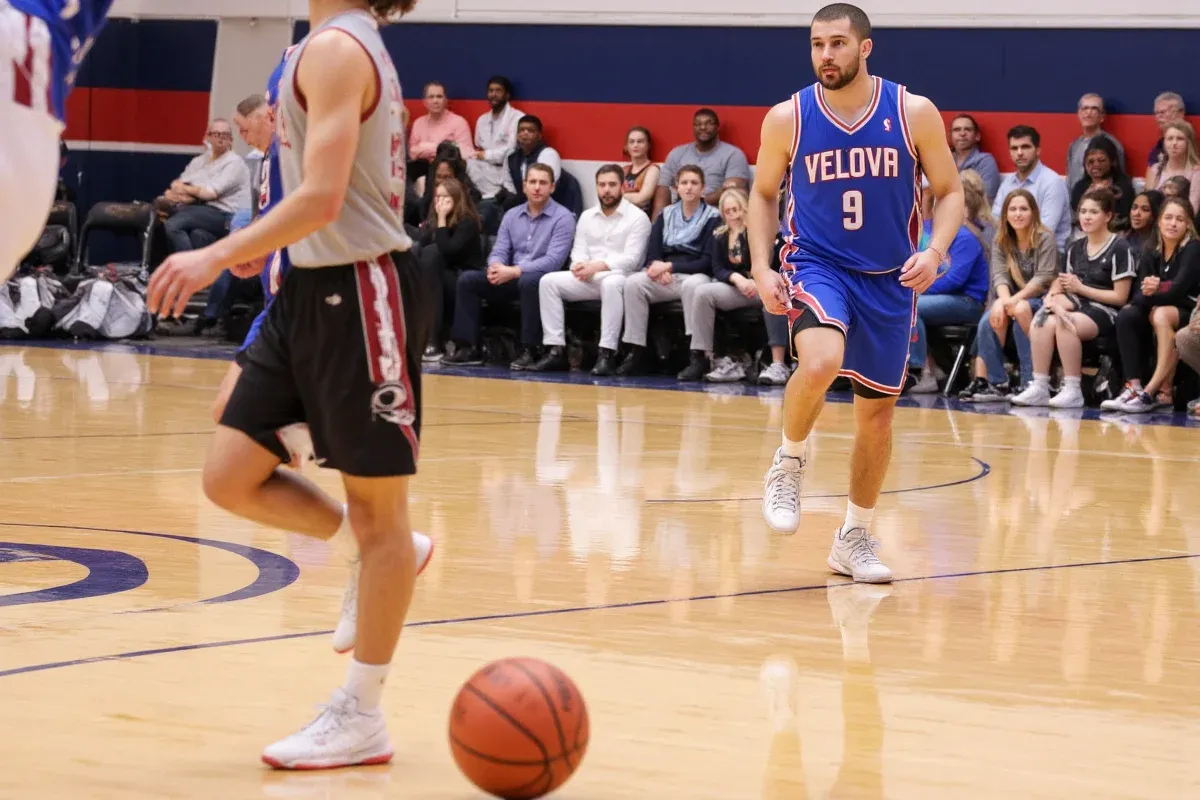
In basketball, a travel is defined as taking more than two steps without dribbling the ball. According to official rules from the NBA, FIBA, and NCAA, any player who gathers the ball and takes three or more steps will be called for a traveling violation.
Understanding Traveling in Basketball
Traveling is one of the most commonly called violations in basketball. It occurs when a player holding the ball moves one or both feet illegally. The core rule across all major leagues limits a player to two steps after picking up or ending a dribble.
What Constitutes a Step?
The definition of a "step" has evolved, especially after rule clarifications in the 2000s. The first step is when a player lands from a gather move or stops dribbling. The second step is the next footfall. Taking a third step without releasing the ball results in a travel.
- A player may take two steps after gathering the ball.
- The "gather step" does not count as the first step.
- If a player starts with both feet on the ground, lifting one foot makes the other the pivot foot.
- Dribbling must begin before the second step hits the ground to avoid a travel.
NBA vs. NCAA vs. FIBA: Travel Rules Compared
While the fundamental concept of traveling remains consistent, slight differences exist between governing bodies in enforcement and interpretation.
| League | Steps Allowed After Dribble Ends | Gather Step Counted? | Jump Stop Rule | Free Throw Travel Enforcement |
|---|---|---|---|---|
| NBA | Two steps | No | Both feet land simultaneously; either can be pivot | Moderate |
| NCAA (Men) | Two steps | No | First foot down determines pivot foot | Strict |
| FIBA | Two steps | No | Same as NBA | Consistent |
The data shows that while all three leagues permit two steps after the gather, enforcement varies—especially in college basketball where officials are quicker to call travels during free throws and post moves. The NBA allows more leniency for star players’ signature moves, such as James Harden’s deep step-backs, which often appear to exceed two steps but are justified under the gather rule.
Common Situations Leading to Travel Calls
Certain game scenarios increase the likelihood of traveling violations. These include fast breaks, post-up moves, and drives to the basket.
Fast Breaks
Players often lose track of their steps when transitioning quickly from defense to offense. Without proper court awareness, a player may take three steps after catching a long outlet pass.
Drive-and-Kick Plays
When driving to the rim, players must time their dribble lift and step count. Lifting the dribble too early and then stepping three times before passing leads to a turnover.
Post Moves
Establishing position in the paint requires subtle footwork. A common mistake is dragging the pivot foot or shuffling illegally, known as "slide-stepping," which referees watch closely.
Frequently Asked Questions About Traveling in Basketball
How many steps are allowed in basketball without dribbling?
A player is allowed two steps without dribbling after gaining control of the ball. Taking a third step without passing, shooting, or starting a dribble results in a traveling violation.
Does the Euro step count as traveling?
No, the Euro step is legal as long as the player takes only two steps after ending the dribble. The move is designed to stay within the two-step rule while changing direction to avoid defenders.
Can you take two steps before dunking?
Yes, players can take two steps after gathering the ball before dunking. This is commonly seen in fast breaks and alley-oop finishes, as long as no additional steps are taken.
Is it a travel if you fall down while holding the ball?
It depends. If a player falls while attempting to pass or shoot immediately, it's not a travel. However, if they gain control and then roll or stand up with the ball, it may be called a travel.
Why do NBA players seem to take more than two steps?
NBA players often use the "gather step" to create momentum before the two legal steps. Additionally, referees allow some leniency for continuity and flow, especially on drives to the basket, which can make moves appear to exceed the limit.
More Articles
 FIBA vs NBA vs NCAA Basketball Rules
 How Many Years Did Michael Jordan Play Basketball?
 All Basketball Positions Explained
 The Best Basketball for Tennis Courts: Surface Compatibility, Grip, Durability, and Real-World Performance
 Can Playing Basketball Make You Taller? Science-Based Answer
 Don Basketball: The Legacy of Don Nelson Explained
 Shortest NBA Player Ever: Muggsy Bogues at 5'3"
 Best Baseball for Athletes: Performance, Safety, and Regulation Compliance Explained
 Where to Buy a Basketball Near Me Today
 How Long Are College Basketball Games? Full Breakdown