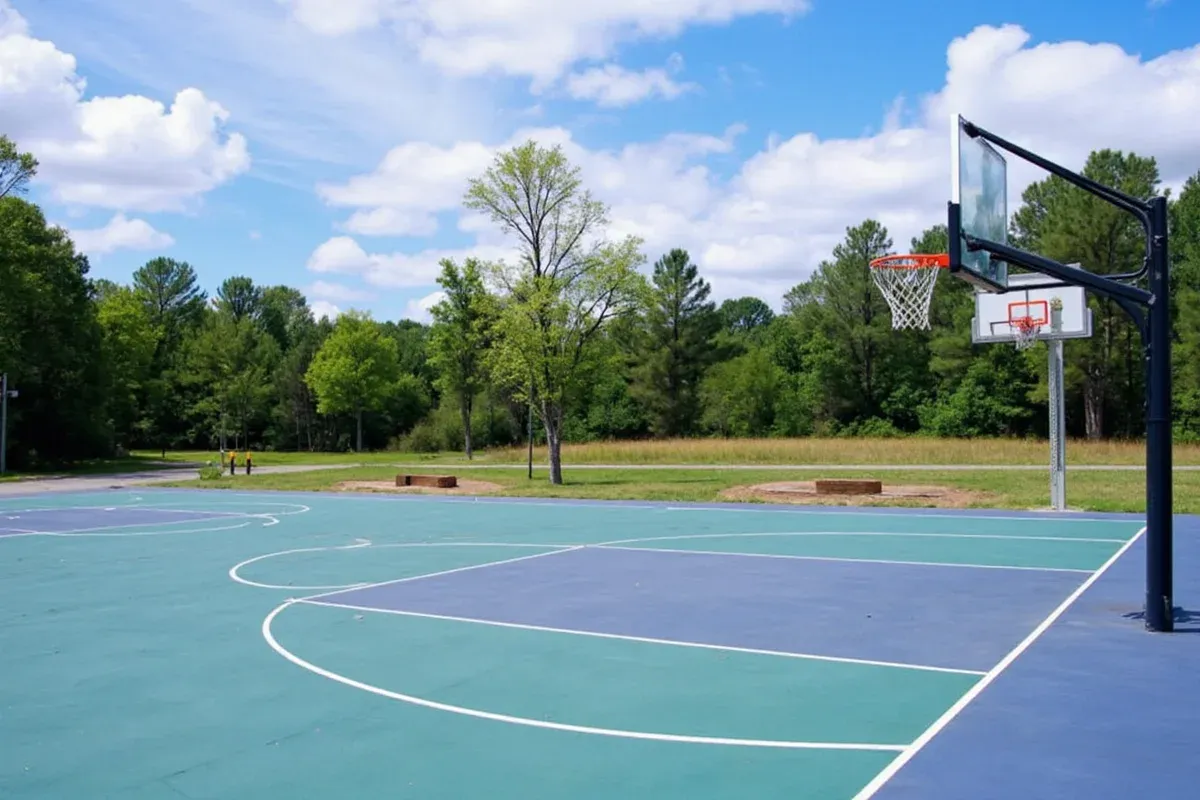
How Many Laps Around a Basketball Court Is a Mile?
To answer the question directly: It takes approximately 18.3 laps around a standard basketball court to equal one mile. This calculation is based on the perimeter of an NBA-regulation court (94 feet by 50 feet), which measures 288 feet per lap. Since there are 5,280 feet in a mile, dividing 5,280 by 288 gives about 18.3 laps.
Understanding Court Dimensions and Lap Measurements
Not all basketball courts are the same size, so the number of laps needed to complete a mile can vary depending on the level of play and location. The most common standards come from the NBA, NCAA, high school, and international (FIBA) regulations.
Standard Basketball Court Sizes
- NBA: 94 ft × 50 ft
- NCAA: 94 ft × 50 ft (same as NBA)
- High School: 84 ft × 50 ft
- FIBA: 28 m × 15 m (~91.9 ft × 49.2 ft)
The perimeter of a rectangular court is calculated as 2 × (length + width). Using this formula, we can determine how many feet one lap covers and then compute how many laps make a mile.
| Court Type | Length (ft) | Width (ft) | Perimeter (ft) | Laps per Mile |
|---|---|---|---|---|
| NBA | 94 | 50 | 288 | 18.3 |
| NCAA | 94 | 50 | 288 | 18.3 |
| High School | 84 | 50 | 268 | 19.7 |
| FIBA | 91.9 | 49.2 | 282.2 | 18.7 |
| Youth/Recreational (avg) | 74 | 40 | 228 | 23.2 |
The data shows that smaller courts require more laps to reach a mile. For example, a youth court may need over 23 laps due to its shorter length and width, while NBA-sized courts only require just over 18. High school players will run nearly two extra laps compared to professionals when completing a mile. These differences matter for training accuracy and fitness tracking.
How to Accurately Track Laps and Distance
Whether you're training for endurance or measuring daily activity, precise tracking improves results. Here are effective methods:
- Pedometers & Fitness Trackers: Devices like Fitbit or Garmin can estimate distance based on step count and stride length, but they may lack precision indoors.
- Smartphone GPS Apps: While useful outdoors, GPS signals are unreliable inside gyms.
- Lap Counting Apps: Manual counters such as "Lap Counter" or "Tally Counter" apps help track each circuit accurately.
- Measuring Wheel: For non-standard courts, use a physical measuring wheel to calculate exact perimeter.
Why Knowing Laps per Mile Matters for Training
Athletes and coaches use lap-based workouts to build stamina, improve agility, and simulate game conditions. Understanding the exact conversion between laps and miles ensures consistency in fitness programs. For instance:
- Basketball players often do shuttle runs or full-court sprints during conditioning drills.
- Trainers assign “mile runs” using court laps when treadmills aren't available.
- Physical education teachers use courts for student fitness tests like the PACER or timed runs.
Without accurate conversions, workout intensity could be misjudged—leading to undertraining or overexertion.
Common Questions About Basketball Court Laps and Mile Conversion
How many laps around a basketball court is 1 mile?
On an NBA-sized court (94 ft × 50 ft), it takes about 18.3 laps to complete one mile. Smaller courts, such as high school or youth courts, require more laps—up to 23.2 for smaller recreational setups.
Is running laps around a basketball court good cardio exercise?
Yes, running laps is an effective cardiovascular workout, especially when done at high intensity or combined with drills like suicides or zig-zag runs. It builds endurance, footwork, and sport-specific conditioning.
Can I use a basketball court to train for a 5K or marathon?
While possible, it's not ideal due to repetitive turning and limited space. However, it can supplement training in bad weather. To prepare properly, mix court laps with outdoor runs to simulate race conditions.
Do FIBA courts have different lap counts than NBA courts?
Yes, slightly. A FIBA court is about 91.9 ft long and 49.2 ft wide, resulting in a perimeter of ~282.2 ft. This means you'd need approximately 18.7 laps to complete a mile—about 0.4 more laps than on an NBA court.
What’s the easiest way to count laps during a long run?
Use a digital tally counter app on your phone or smartwatch. Alternatively, place small markers (like cones or towels) and move one after each lap. Some people also use wristbands or rubber bands to keep mental track without losing count.
More Articles
 Who Is the Shortest NBA Player Ever? Muggsy Bogues at 5'3"
 When Did Michael Jordan Start Playing Basketball?
 What Time Is Basketball Today? NBA Game Schedule 2025
 When Does MSU Play Basketball Again? Next Game 2025
 How Tall Is a Basketball Hoop? Official Heights by Level
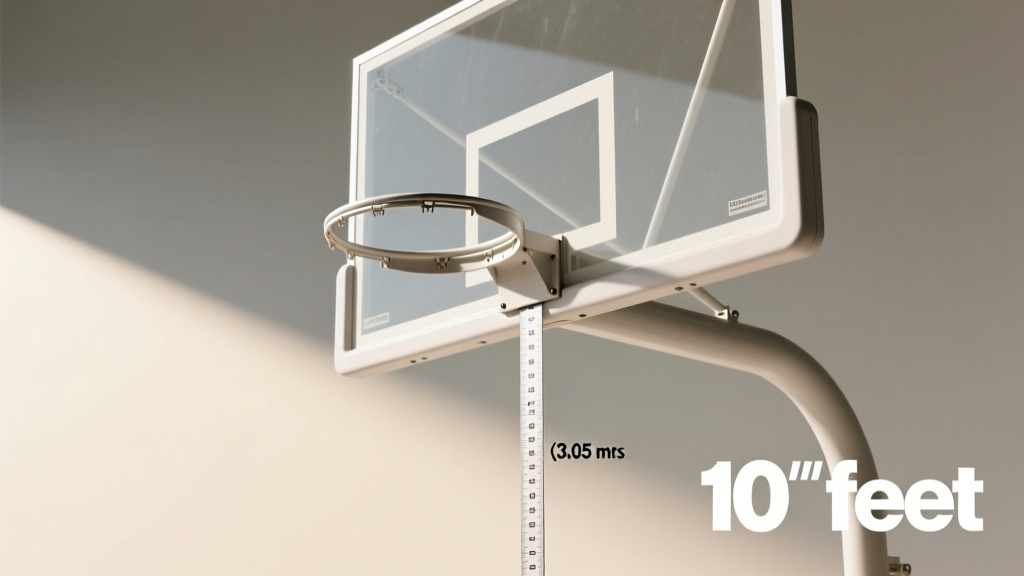 How Tall Are Basketball Hoops? Official Heights by Level
 How High Is a Basketball Court? Rim Height Explained
 Who Won Basketball Game Last Night? Warriors Beat Lakers
 Who Won Basketball Last Night? Celtics Beat Lakers 112-105
 When Was Basketball Invented? The True Story