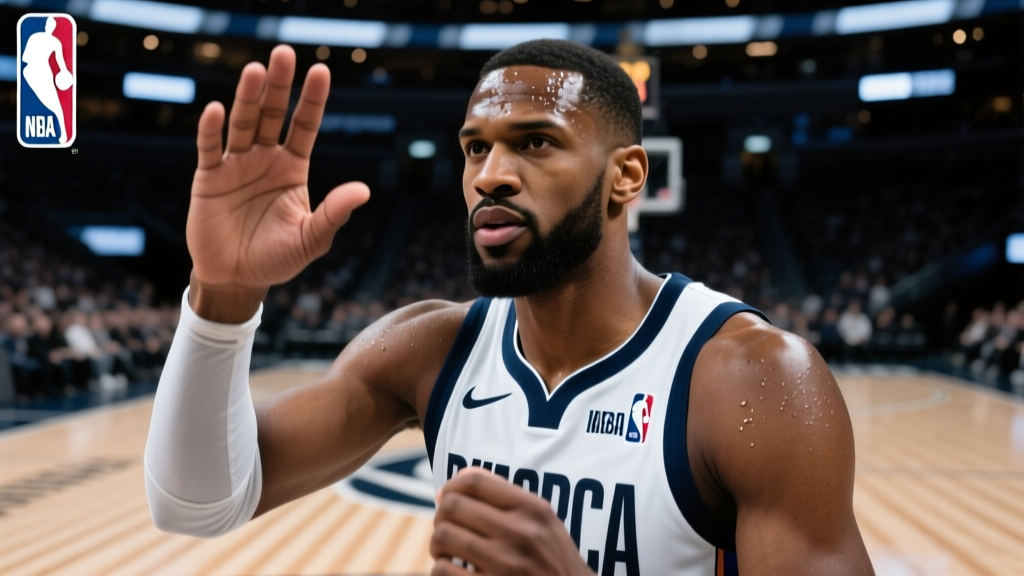
How Many Fouls in NBA Basketball Before Fouling Out?
In the NBA, there is no fixed number of fouls that defines a game; instead, player disqualification occurs after committing six personal fouls. This rule ensures fair play while allowing physical competition within structured limits.
\n\nUnderstanding Fouls in NBA Basketball
\nFouls are an essential part of NBA basketball, governing physical contact and maintaining fairness on the court. Each foul impacts game flow, strategy, and player availability. Understanding how fouls work helps fans, players, and coaches better appreciate the nuances of the game.
\n\nTypes of Fouls in the NBA
\n- \n
- Personal Foul: Contact with an opponent, such as pushing or blocking. \n
- Shooting Foul: A defensive foul committed while the offensive player is attempting a shot. \n
- Technical Foul: Non-physical infractions like unsportsmanlike conduct or coach violations. \n
- Flagrant Foul: Excessive or dangerous contact; Flagrant 1 is unnecessary, Flagrant 2 leads to ejection. \n
- Team Foul: Any personal or shooting foul counted toward the team’s total per quarter. \n
NBA Foul Rules and Disqualification
\nPlayers remain in the game until they reach the personal foul limit. Once disqualified, they cannot return. Coaches and team staff can also accrue technical fouls with penalties.
\n\nPlayer Foul Limit
\nA player is disqualified upon committing their sixth personal foul in a standard 48-minute NBA game. This differs from college basketball (five fouls) and high school (five fouls).
\n\nTeam Foul Penalties
\nEach team is allowed four team fouls per quarter before entering the bonus situation. On the fifth and subsequent fouls, the opposing team shoots two free throws regardless of the type of foul.
\n\n| Season | \nAvg. Personal Fouls per Game (Home) | \nAvg. Personal Fouls per Game (Away) | \nFree Throws Attempted per Game | \nFlagrant Fouls per Season (Total) | \n
|---|---|---|---|---|
| 2020-21 | \n19.7 | \n20.3 | \n45.6 | \n68 | \n
| 2021-22 | \n19.1 | \n19.8 | \n44.9 | \n71 | \n
| 2022-23 | \n18.5 | \n19.2 | \n43.7 | \n75 | \n
| 2023-24 | \n17.9 | \n18.6 | \n42.1 | \n78 | \n
The data shows a steady decline in average personal fouls per game from 2020 to 2024, indicating a league-wide shift toward less physical defense and improved player discipline. The slight increase in flagrant fouls suggests stricter enforcement on dangerous plays despite overall cleaner gameplay.
\n\nStrategic Impact of Fouls
\nFouls influence coaching decisions, player rotations, and end-game tactics. Teams often use intentional fouling to stop the clock or prevent easy baskets.
\n\nCommon Foul Strategies
\n- \n
- Foul Trouble Management: Coaches bench players with 3–4 fouls to avoid disqualification. \n
- Hack-a-Shaq: Intentionally fouling poor free-throw shooters to regain possession. \n
- End-of-Game Fouling: Trailing teams foul to stop the clock and force free throws. \n
Frequently Asked Questions About NBA Fouls
\nHow many fouls until a player fouls out in the NBA?
\nA player fouls out after committing six personal fouls in a single game. They are then disqualified and cannot return.
\nMore Articles
 How to Organize a Basketball Game
 How Long Are NCAA Basketball Games? Full Breakdown
 How Heavy Is a Basketball? Official Weights by League
 Kentucky Wildcats Game Time Today: 7 PM ET
 Best Basketball Players Right Now in 2025
 NBA Basketball Size: Official Dimensions & Guidelines
 Next Duke Basketball Game: Date, Time & How to Watch
 How Long Is a College Basketball Game? Full Breakdown
 Who Won Basketball Olympics 2020? Full Recap & Results
 When Does NBA Basketball Start? 2025 Schedule Revealed