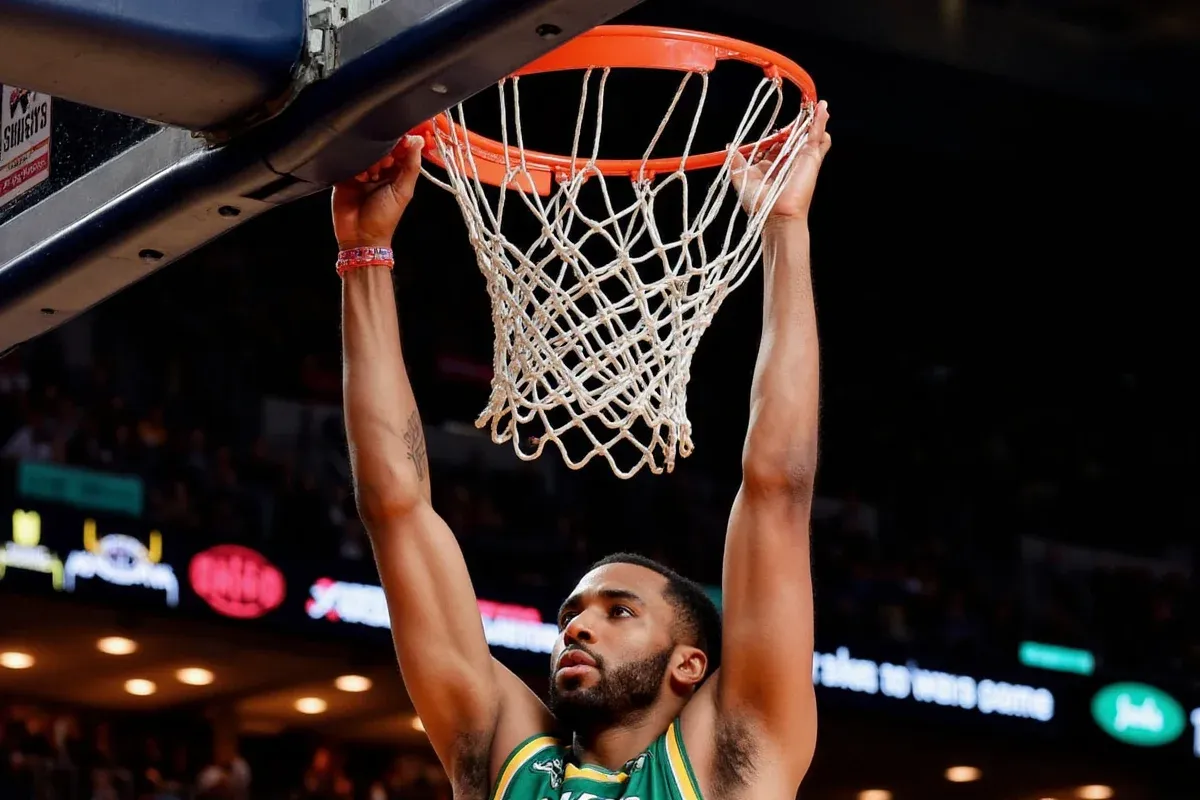
How High Are Basketball Rims? Official Height Explained
The standard height of a basketball rim is 10 feet (3.05 meters) above the ground, a regulation set by the NBA, FIBA, NCAA, and NFHS, and consistently used in professional, collegiate, high school, and most recreational leagues worldwide.
Why Is a Basketball Rim 10 Feet High?
The 10-foot rim height traces back to the invention of basketball in 1891 by Dr. James Naismith. When he first created the game, he nailed peach baskets to the balcony of a gymnasium at Springfield College, and the balcony was exactly 10 feet high. Despite the evolution of equipment and gameplay, the rim height has remained unchanged for over 130 years.
Historical Consistency in Gameplay
Maintaining a consistent rim height ensures fairness and continuity across generations of players. It allows for accurate comparison of skills, records, and athletic performance over time.
- The 10-foot standard enables uniform court dimensions globally.
- It supports standardized training methods and skill development.
- Game strategies, such as dunks and shot arcs, are built around this fixed height.
Rim Height Across Different Leagues
While 10 feet is universal for adult play, youth leagues often adjust rim heights to accommodate developing players. Below is a detailed table showing official rim heights by organization and age group.
| Organization | Level/Age Group | Rim Height (feet) | Rim Height (meters) | Notes |
|---|---|---|---|---|
| NBA | Professional | 10 | 3.05 | Standard for all games |
| NCAA | College | 10 | 3.05 | Men's and women's divisions |
| NFHS | High School | 10 | 3.05 | Used in U.S. high schools |
| FIBA | International | 10 | 3.05 | Olympics and World Cup |
| USA Basketball | 7–8 years old | 6 | 1.83 | Developmental level |
| USA Basketball | 9–11 years old | 8.5 | 2.59 | Progressive skill building |
| Youth Leagues (varies) | 12+ years old | 10 | 3.05 | Transition to full height |
The data shows that while elite competition universally uses a 10-foot rim, youth programs implement lower rims to support proper shooting mechanics and confidence development. The gradual increase from 6 to 10 feet aligns with physical growth and motor skill acquisition in young athletes.
Adjustable Rims and Training Benefits
Many gyms and home courts use adjustable basketball systems that allow rim height changes. These are particularly useful for:
- Teaching correct shooting form to children
- Injury rehabilitation where jumping is limited
- Basketball camps focusing on skill progression
Lowering the rim can help younger players develop arc and consistency in their jump shots without compensating for excessive reach or strength.
Common Questions About Basketball Rim Height
Are all basketball rims 10 feet high?
Yes, all professional, college, and high school basketball rims are exactly 10 feet (3.05 meters) high. However, youth leagues often use lower rims—typically 6 to 8.5 feet—to match player development stages.
Who decided basketball hoops should be 10 feet high?
Dr. James Naismith established the 10-foot height in 1891 when he attached peach baskets to a balcony railing at that height. The measurement became standard as the sport evolved.
How high is a middle school basketball hoop?
Most middle school hoops are set at 9 feet or 10 feet, depending on the program. Some start at 8.5 feet for younger grades before transitioning to the full 10-foot standard by eighth grade.
Can you adjust a basketball rim up and down?
Yes, many modern basketball systems feature adjustable rims that can be raised or lowered using a crank, breakaway mechanism, or hydraulic lift, making them ideal for multi-age use.
Why hasn't the rim height changed despite taller players?
The rim remains at 10 feet to preserve the integrity of the game’s history, rules, and statistical comparisons. Changing it would invalidate decades of records and alter fundamental aspects of strategy and athleticism.
More Articles
 Creighton Basketball Arena: Where They Play (2026)
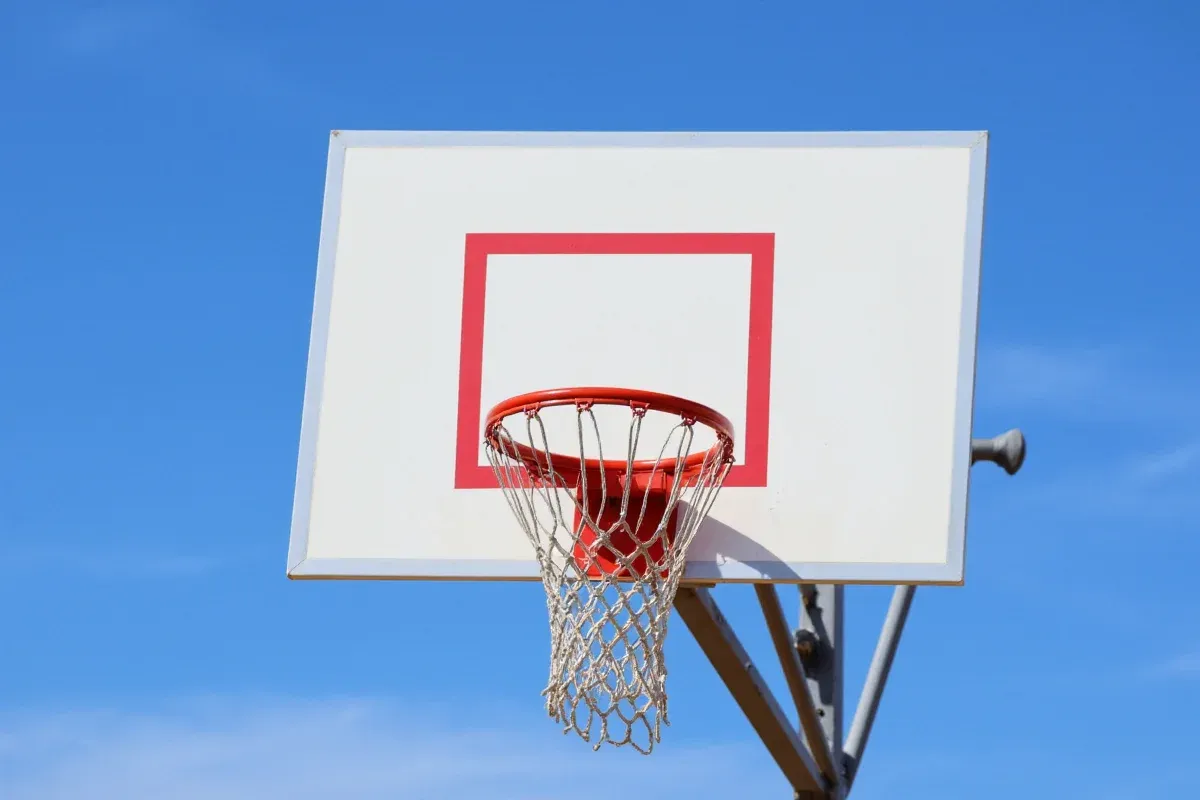 NBA Basketball Hoop Height: 10 Feet Explained
 NBA Basketball Size: 29.5 Inches Explained
 Tallest Basketball Player Ever: Mureșan & Bol at 7'7"
 When Does AP Poll Come Out for Basketball?
 How Many People Play Basketball Worldwide?
 What Does PRA Mean in Basketball? Explained
 How Old Is Coach K? Duke Basketball Legend's Age in 2025
 When Does the AP Poll Come Out for Basketball?
 Lakers Beat Warriors 112-108: Who Won Last Night's NBA Game